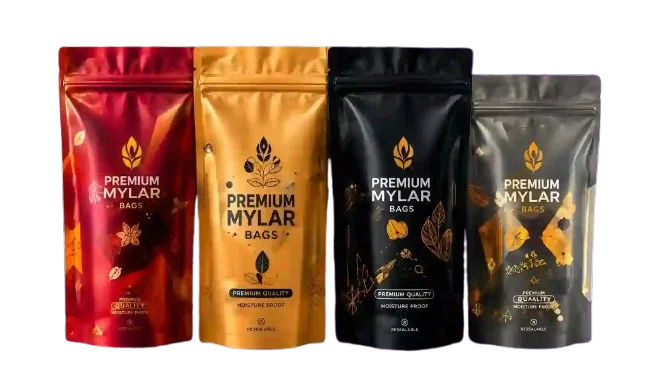


How to Create a Memorable Unboxing Experience With Packaging?
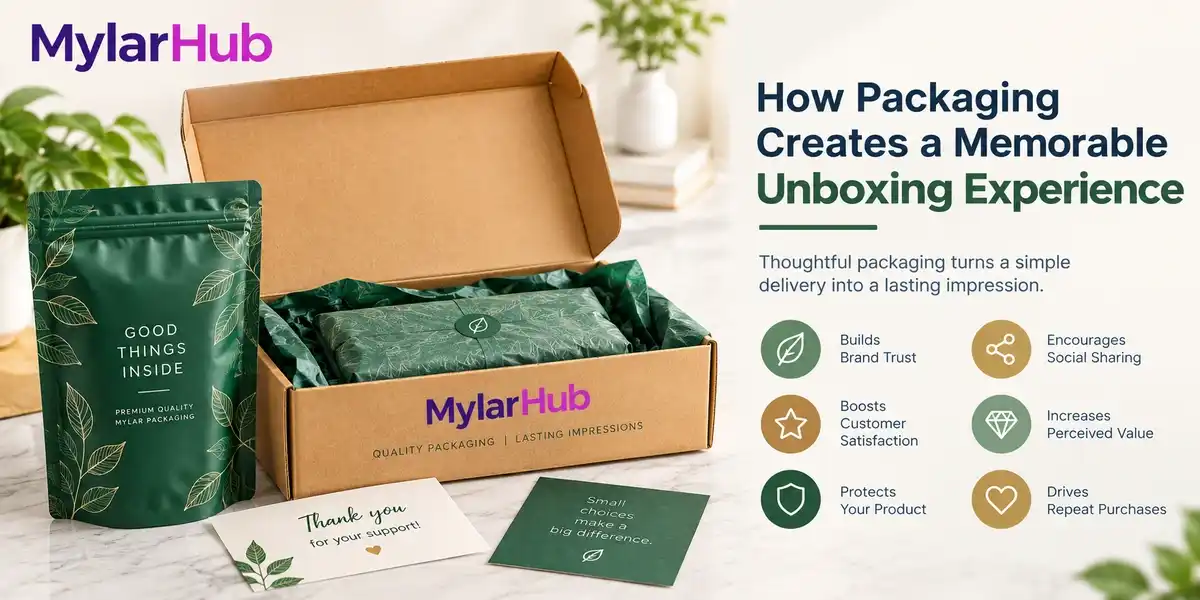
The customer experience does not end when they press the buy button. In many cases, one of the most exciting moments comes when the package arrives and the customer opens it. This unboxing experience can influence how customers interact with a product and perceive the brand.
A carefully designed package - whether a custom box or a printed Mylar bag - can turn a simple delivery into a more memorable experience. Research on unboxing shows that opening a product can create emotional and experiential value, while unboxing content shared on social media can help consumers connect with products and brands.
At Mylar Hub, we recognize that packaging is more than product protection. Thoughtful packaging can help brands create a stronger physical connection with customers, encourage social sharing, and contribute to memorable brand experiences. Research from Adobe Express also indicates that premium packaging can influence how consumers perceive a brand.
Research published by Taylor & Francis has also examined how consumers share branded packaging images on social media and how this behavior can influence brand-related perceptions and intentions.
Why Does the Unboxing Experience Matter?
The unboxing experience can shape a customer's first physical interaction with a product. When packaging is well-designed, easy to open, and consistent with the brand, it can help create a positive impression before the customer has even used the product.
A memorable packaging experience can support:
|
Benefit |
Impact on Brands |
|
Stronger First Impression |
Builds trust immediately |
|
Increased Social Sharing |
Expands brand visibility |
|
Better Customer Satisfaction |
Encourages repeat purchases |
|
Higher Perceived Value |
Makes products feel premium |
|
Brand Recognition |
Creates memorable experiences |
A strong unboxing experience is particularly useful in competitive markets where customers have many products to choose from. Packaging gives brands another opportunity to communicate what they stand for.
The Psychology Behind a Great Packaging Experience
Packaging communicates information before customers interact with the product itself. Visual elements such as color, typography, imagery, material, texture and layout can all contribute to how a package is perceived.
The experience can be viewed as a series of stages:
-
First impression
-
Visual recognition
-
Opening experience
-
Product presentation
-
Overall brand perception
The goal is not simply to make packaging look expensive. Effective packaging should create an experience that fits the product, brand identity, target customer and sales channel. For example, premium finishes may suit some products, while a clean and functional design may be more appropriate for others.
Elements of a Memorable Unboxing Experience
1. Choose Packaging Materials That Fit the Product
Packaging materials influence both appearance and performance. The right choice depends on the product, shipping conditions, protection requirements and the experience a brand wants to create.
Common packaging options can include:
-
Flexible Mylar packaging
-
Paperboard packaging
-
Corrugated Packaging
-
Printed pouches and bags
For products that require protection from moisture, oxygen, light, or odors, material structure is particularly important. The package needs to perform its protective role while still providing enough surface area for effective branding. For brands using flexible packaging, printed Mylar bags can combine barrier protection with custom graphics and different pouch styles.
2. Use Eye Catching Visual Design
Packaging should make the brand easy to recognize without overwhelming the customer with unnecessary visual elements.
Important design considerations include:
-
High-quality printing
-
Consistent brand colors
-
Clear typography
-
Distinctive artwork
-
Professional logo placement
-
Strong visual hierarchy
-
Easy-to-understand product information
Consistency is especially important when a brand sells several products. Similar design elements across different packages can create a recognizable visual identity. A package does not need to use complicated graphics to stand out. In many cases, a clear layout and well-planned branding can communicate more effectively than excessive decoration.
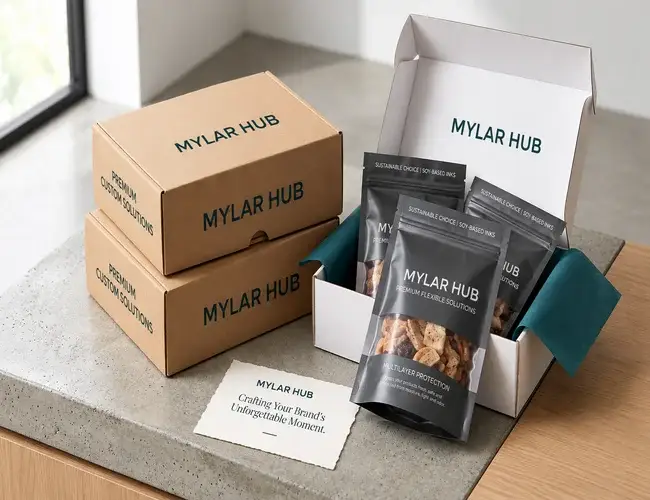
3. Add Personalized Touches
Personalization can make packaging feel more specific to the customer, product, campaign or occasion.
Examples include:
-
Thank-you messages
-
Personalized notes
-
Promotional inserts
-
Loyalty rewards
-
Custom printed messages
-
Limited-edition designs
-
Campaign-specific packaging
Not every package needs extensive personalization. Even a simple branded message or carefully designed insert can make the delivery feel more intentional. For smaller brands, personalized packaging can also provide an opportunity to create a distinctive experience without completely changing the core packaging design.
4. Create a Layered Opening Experience
A memorable unboxing does not necessarily mean adding more packaging. Instead, the presentation should guide the customer naturally toward the product.
Depending on the product, the experience could include:
-
Branded outer packaging
-
Protective packaging
-
A branded insert or message
-
Product presentation
-
Additional product information
The objective is to create a logical sequence rather than simply adding layers. Too much packaging can have the opposite effect, especially when unnecessary materials create waste or make the package difficult to open.
The Role of Sustainability in the Unboxing Experience
Sustainability is one consideration in modern packaging, but it should be balanced with product protection, quality, convenience, cost and packaging performance. McKinsey's 2025 US consumer research found that price, quality, and convenience ranked ahead of environmental impact as overall purchasing considerations. For packaging specifically, food safety and shelf life were among the most important characteristics, while ease of use, label information, and durability also ranked highly.
At the same time, sustainability remains relevant to many consumers. Shorr's 2025 Sustainable Packaging Consumer Report found that 90% of surveyed US consumers said they were more likely to buy from brands or retailers if the packaging was eco-friendly, while 54% reported consciously purchasing products with sustainable packaging during the previous six months.
Sustainability-focused packaging approaches may include:
-
Reducing unnecessary packaging
-
Using recyclable materials where appropriate
-
Choosing efficient packaging structures
-
Reducing excess material
-
Providing clear sustainability information
-
Considering the product's full packaging requirements
The best approach depends on the product, market, available recycling infrastructure, and the claims a brand can accurately support. For more context on current packaging trends, see our guide to Packaging Design Trends Shaping Consumer Markets in 2026.
How Packaging Can Influence Consumer Buying Behavior
Packaging is one part of the overall product experience. It can communicate information about the product, reinforce brand identity and affect how customers perceive quality and convenience. However, packaging should not be treated as the only factor behind a purchasing decision.
Consumers also consider factors such as:
-
Product quality & Price
-
Convenience & Brand reputation
-
Product performance
-
Packaging functionality
-
Product protection
-
Information provided on the package
Recent McKinsey research reinforces this broader view. Its 2025 global packaging survey found that price and quality remained major product considerations, while food safety and shelf life were among the leading packaging characteristics influencing purchasing decisions. This means memorable packaging should do more than look attractive. It should support the product and make the overall customer experience easier and more coherent. For a deeper look at the relationship between packaging and purchasing behavior, see our guide on how packaging influences consumer buying decisions.
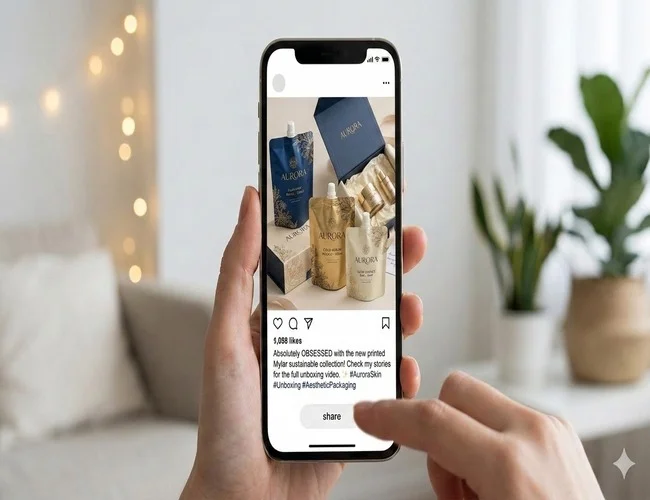
How Mylar Packaging Can Enhance the Unboxing Experience
The unboxing experience depends on more than decoration. Packaging also needs to protect the product and perform reliably during handling, shipping, storage and use.
Depending on the structure and application, Mylar packaging can offer:
-
Barrier protection
-
Durable packaging construction
-
High-quality printed graphics
-
Multiple pouch styles
-
Flexible storage options
-
Strong shelf presentation
For brands, the advantage is the ability to combine functional packaging requirements with a customized visual presentation. Printed Mylar bags can be designed around a brand's artwork, product information, size requirements, and preferred packaging style. Different structures and finishes can also be selected according to the product and intended use. For products requiring extended protection during storage, brands can also explore Mylar bags for long-term food storage.
Common Unboxing Mistakes Brands Should Avoid
Even attractive packaging can create a poor customer experience when the basic details are overlooked.
Common mistakes include:
-
Excessive packaging waste
-
Difficult-to-open packaging
-
Poor-quality printing
-
Inconsistent branding
-
Insufficient product protection
-
Too much unnecessary decoration
-
Missing product information
-
Packaging that does not suit the product
The goal should be balance. Packaging needs to look good, protect the product, communicate important information and remain practical for the customer.
How to Create a Memorable Unboxing Experience
Brands can improve their packaging experience by following a few practical steps:
-
Understand your target customer
Choose a packaging style that fits the audience and product category.
-
Select materials based on product requirements
Consider protection, storage, shipping, durability and usability.
-
Create consistent branding
Use recognizable colors, typography, graphics and messaging.
-
Make the package easy to open
Avoid unnecessary layers or complicated opening processes.
-
Add thoughtful details
Consider inserts, thank-you messages, product information, or promotional materials where appropriate.
-
Balance presentation with sustainability.
Avoid unnecessary packaging while maintaining adequate product protection.
-
Make the product reveal intentional.
Arrange the package so that opening it feels organized rather than frustrating.
When these elements work together, packaging becomes more than a protective layer. It becomes part of the brand experience.
Conclusion
A memorable unboxing experience starts with packaging that works for both the product and the customer. Strong packaging can combine effective protection, clear branding, convenient opening features, thoughtful presentation, and appropriate material choices. The most effective approach is not necessarily the most elaborate one. Instead, packaging should match the product, audience, brand identity, sales channel and practical requirements.
For brands using flexible packaging, Mylar packaging bags can provide opportunities for custom printing, product protection and distinctive presentation. The right packaging solution ultimately depends on what the product needs and what experience the brand wants customers to have when they open it.