What Are Custom Mylar Bags?
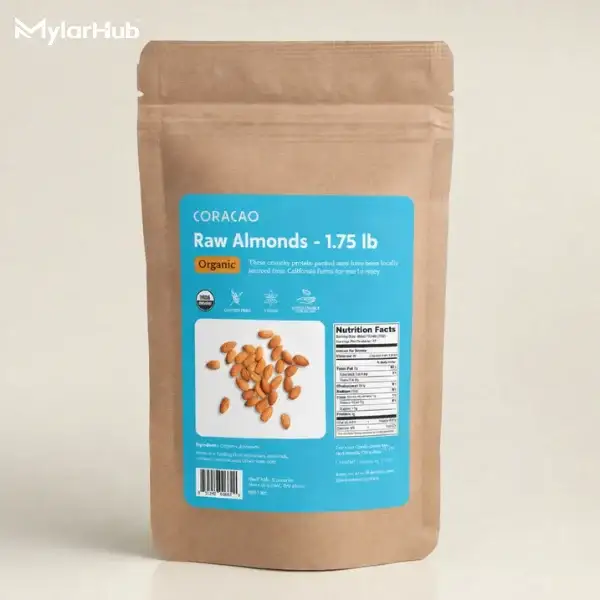
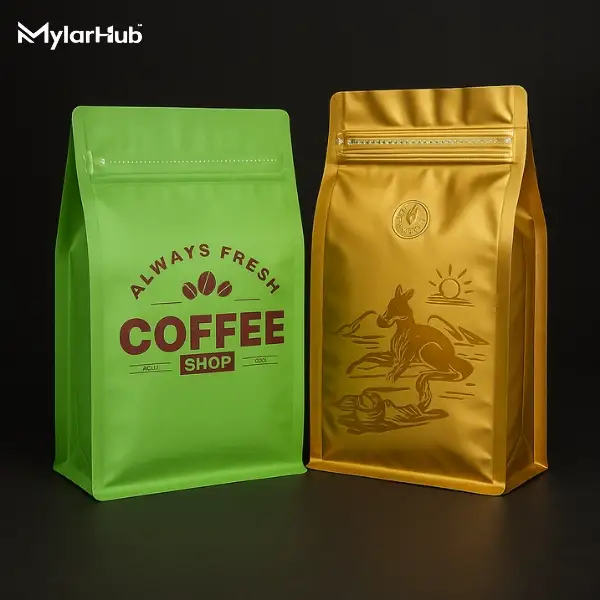
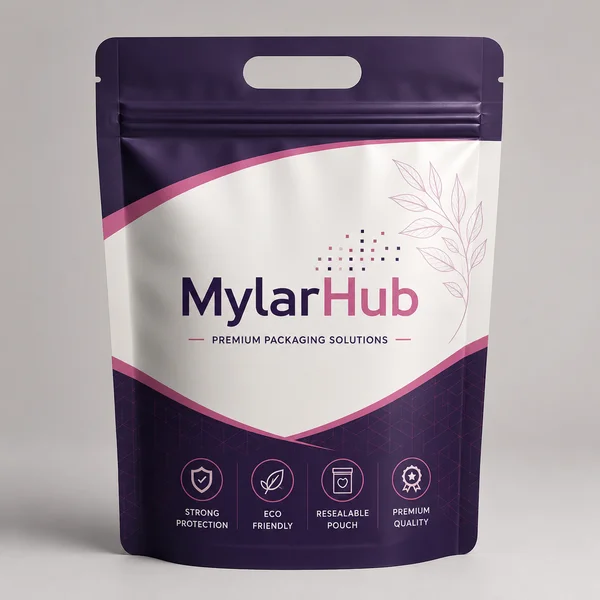
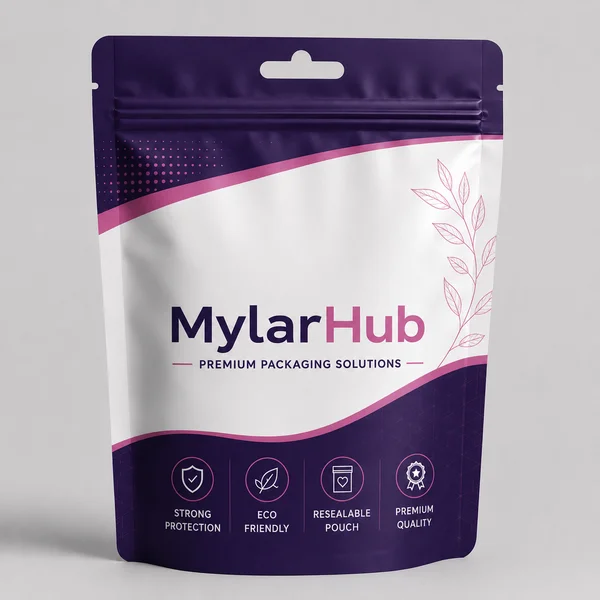
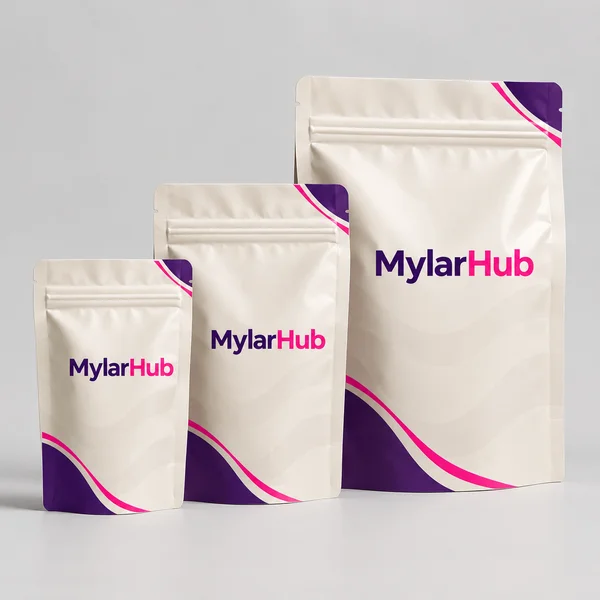
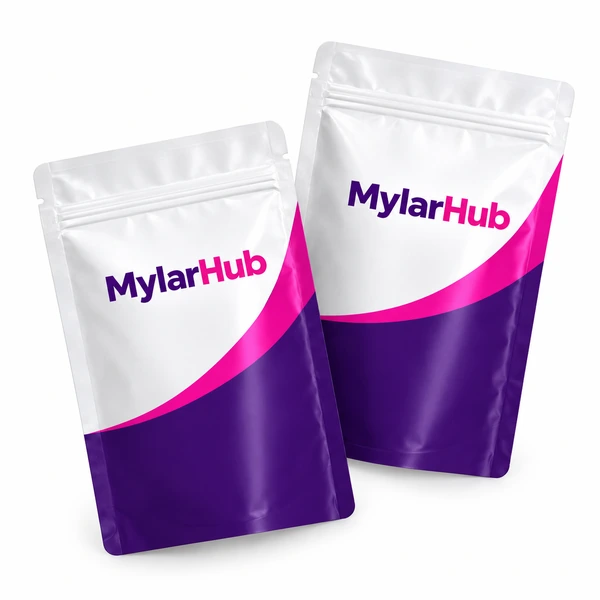
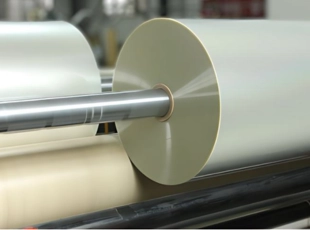
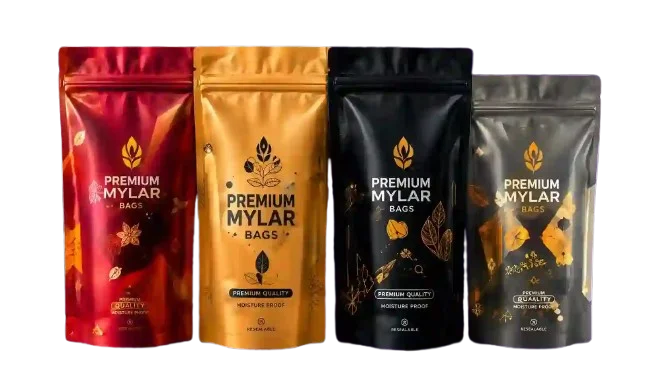
Custom Mylar bags are stretchable packages constructed out of overlays made out of layered films that are chosen based on strength, sealing, printability, and barrier performance. The most common combination of the layers is to use a polyester PET outer layer with a metallized or foil barrier layer and a polyethylene PE sealant layer. The layers have a single purpose: PET gives print quality and puncture resistance, the barrier layer prevents oxygen and moisture and PE is the heat seal. The custom dimensions, bag style, printing, finish and closure are chosen by the brands rather than a generic pouch shape.
What Can You Customize on a Mylar Bag?
Mylar Hub customizes six fundamental specifications, including size, printing, structure of material, thickness, finish and closure. Specifications are independent and a brand may mix a small stand up pouch with a heavy-duty foil barrier or a large flat bag with a lightweight clear film depending on the product.
Sizes and Shapes You Can Order
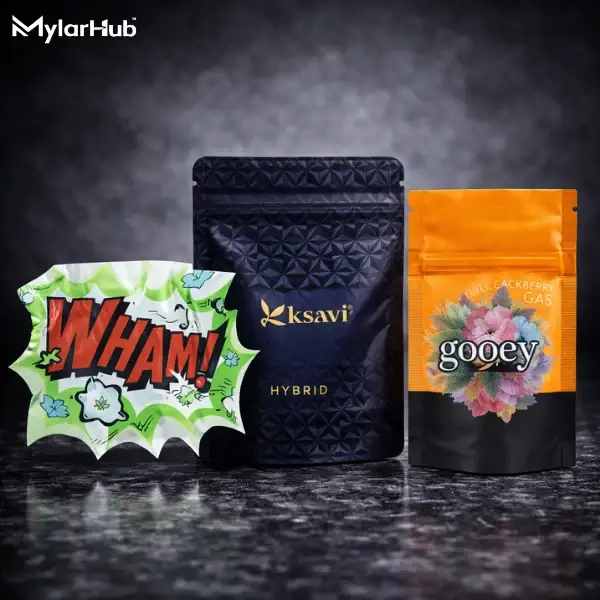
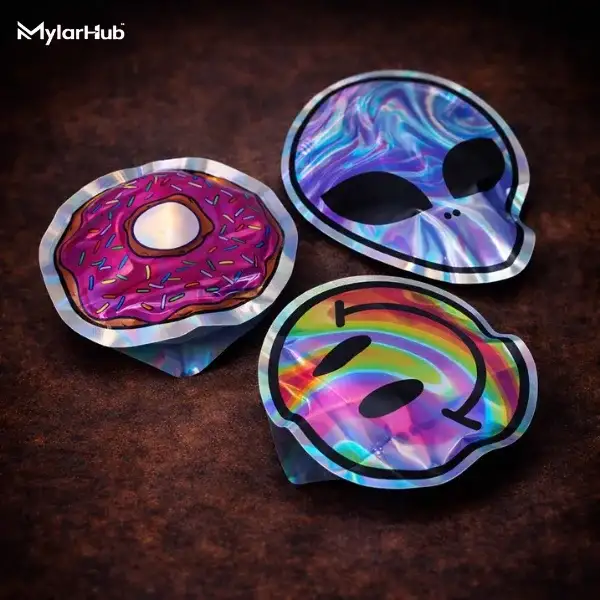
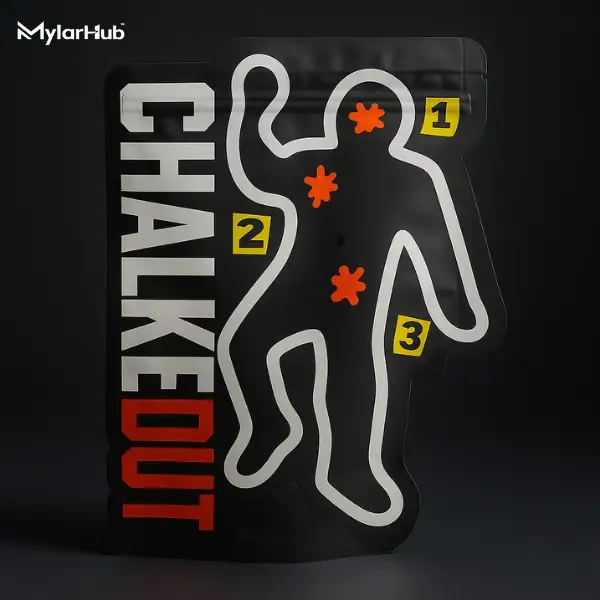
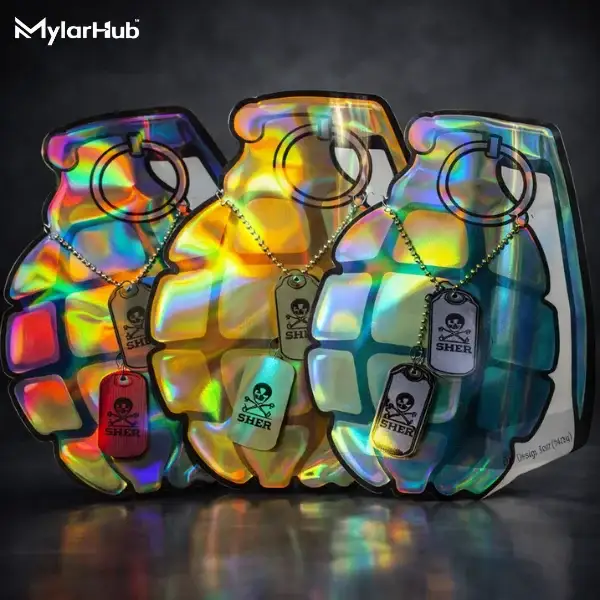
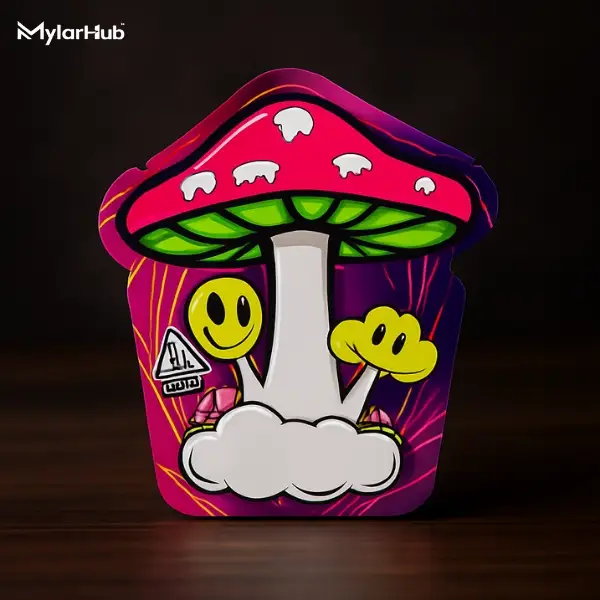
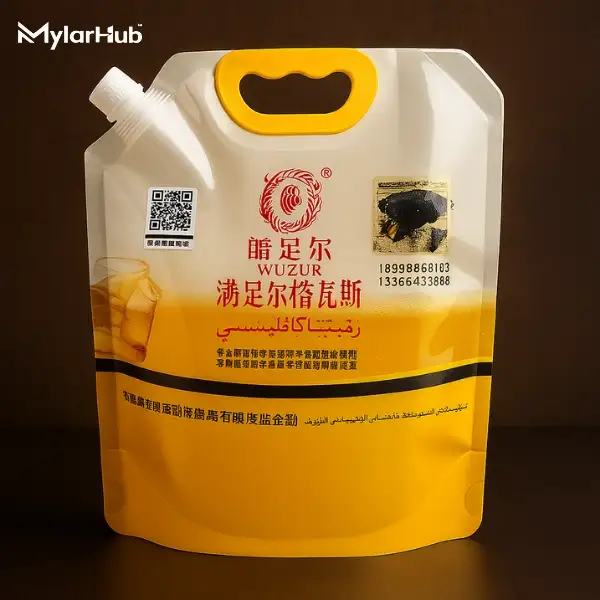
The size of a bag depends on the fill weight and volume of the product and not on a predefined template. We design dimensions that are based on the product, and only then validate the bag structure. Brands that prefer a shelf profile other than a rectangular pouch can also have custom die-cut shapes.
Available Printing Options for Custom Mylar Bags
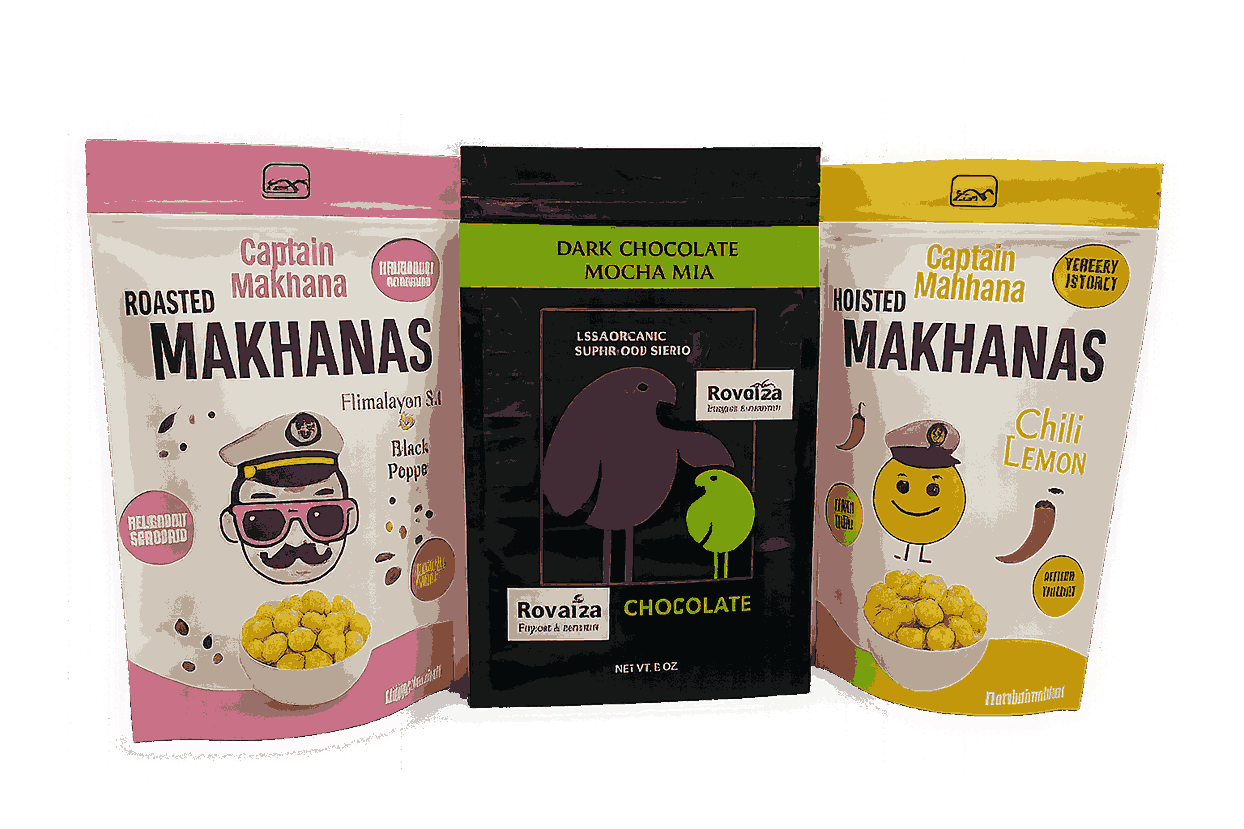
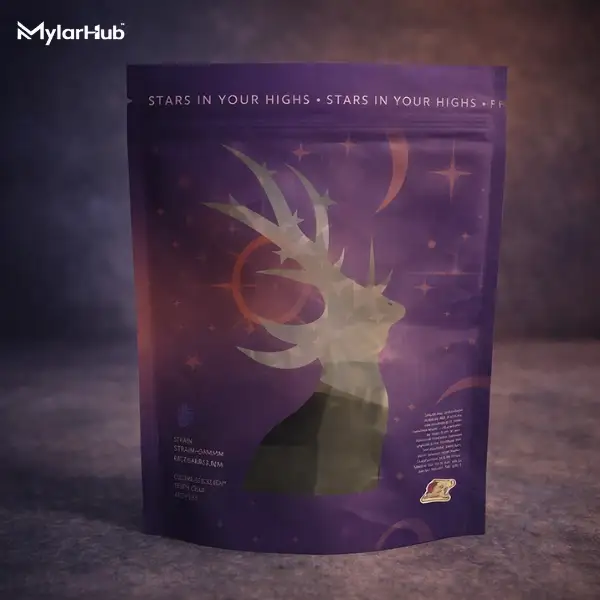
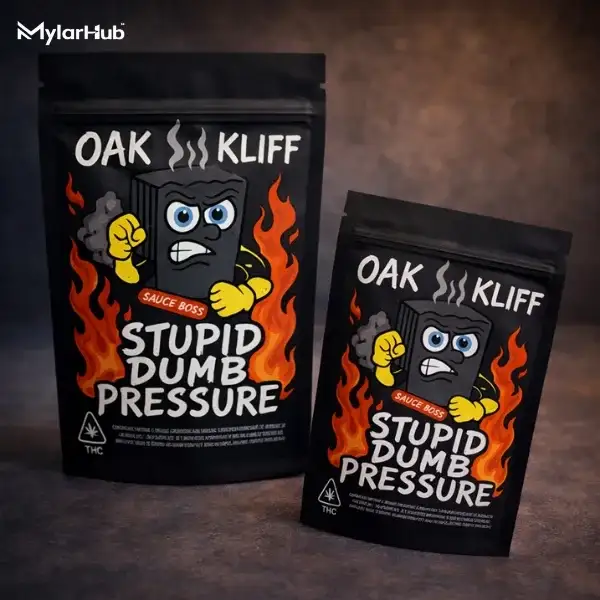
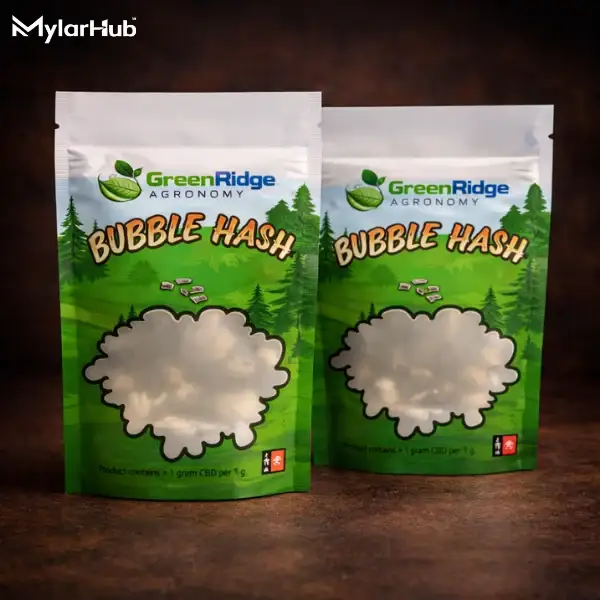
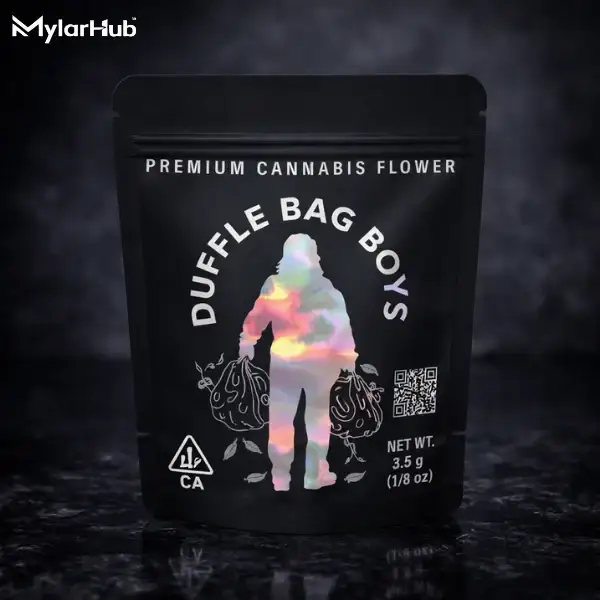
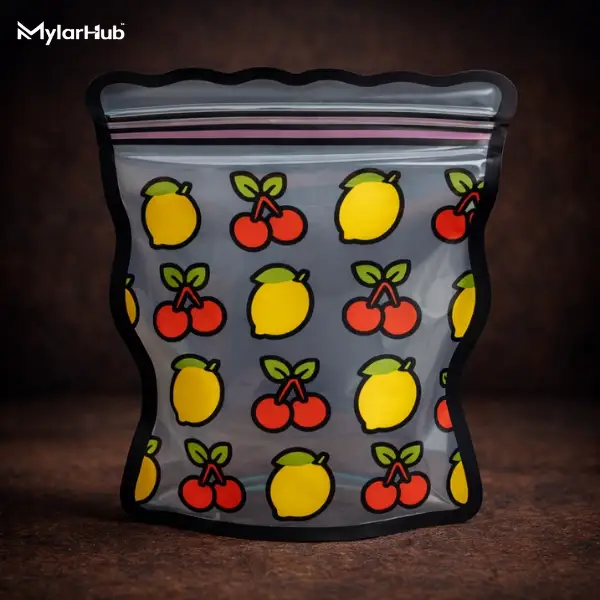
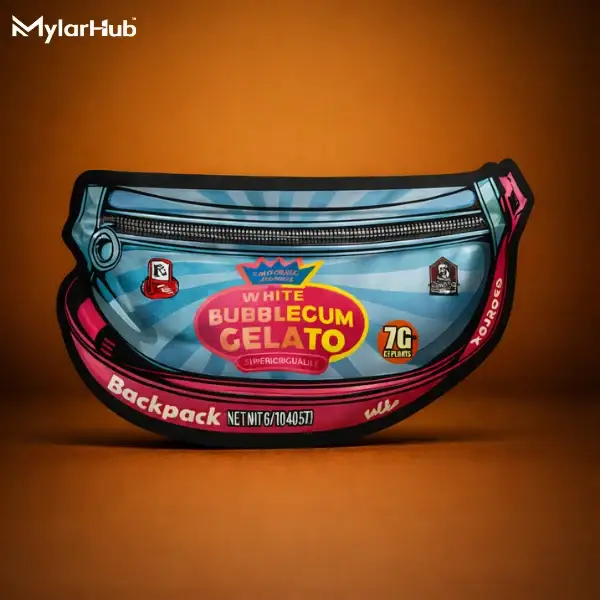
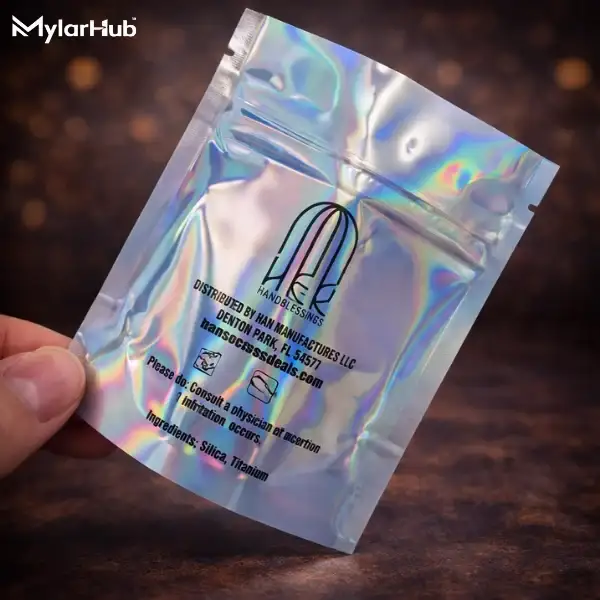
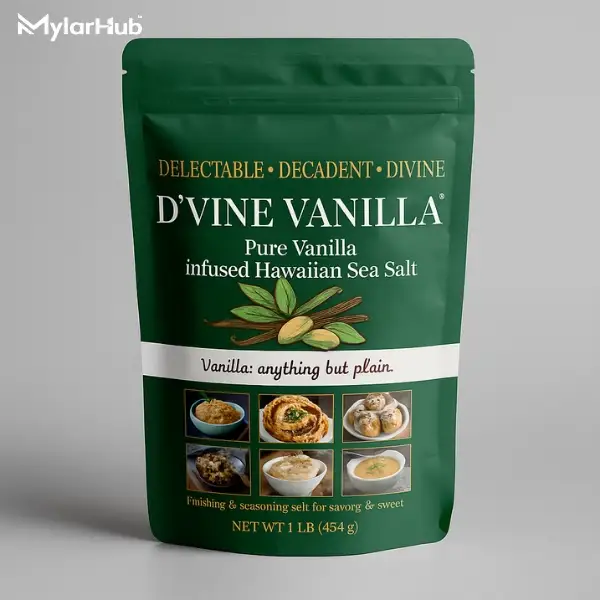
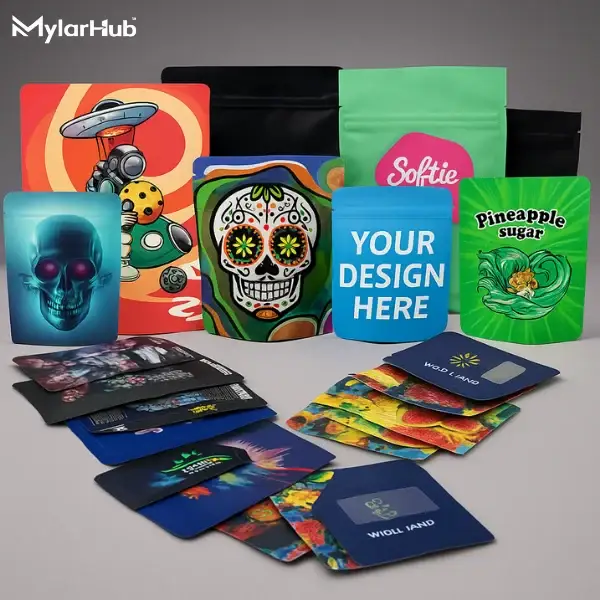
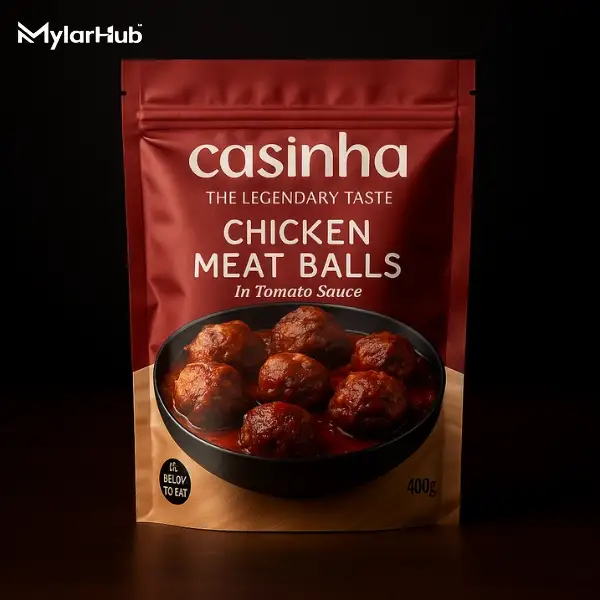
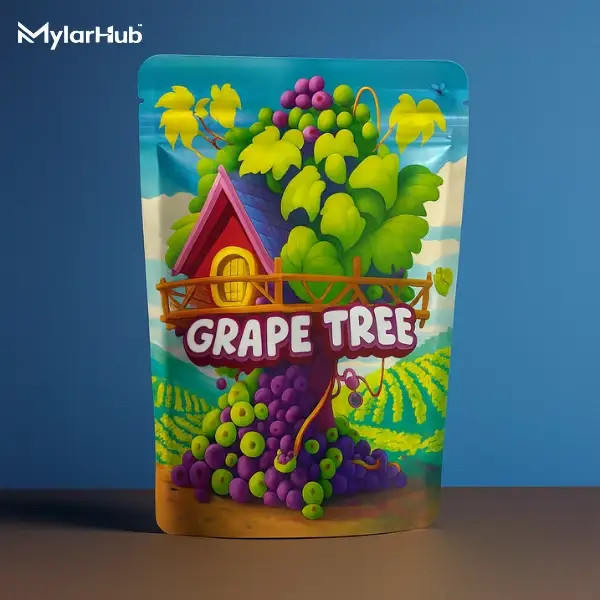
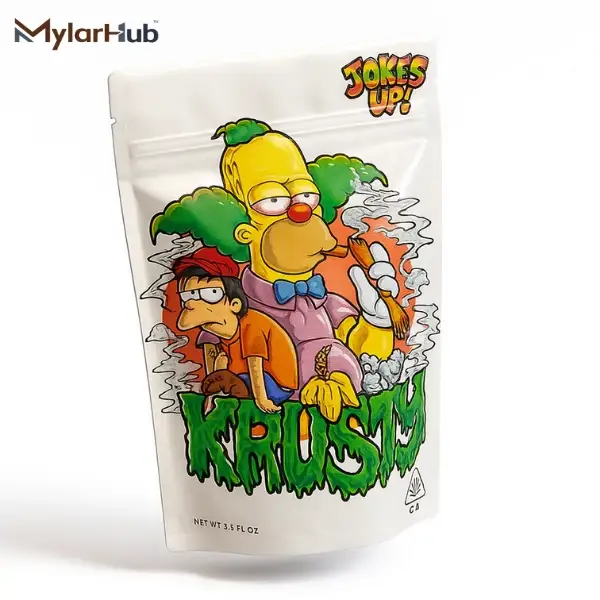
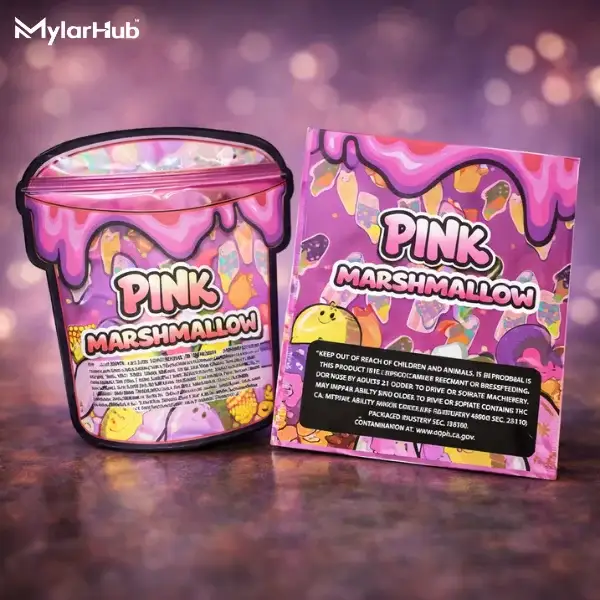
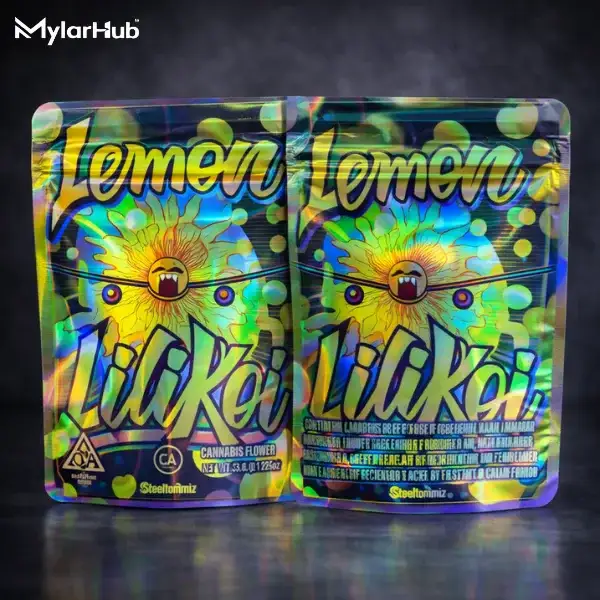
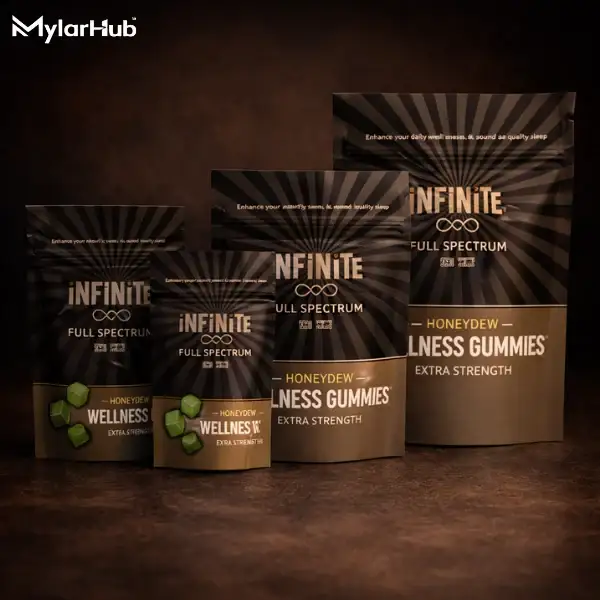
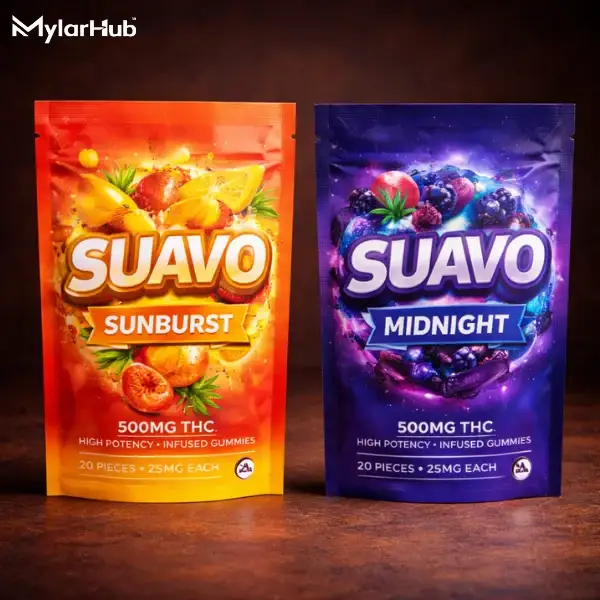
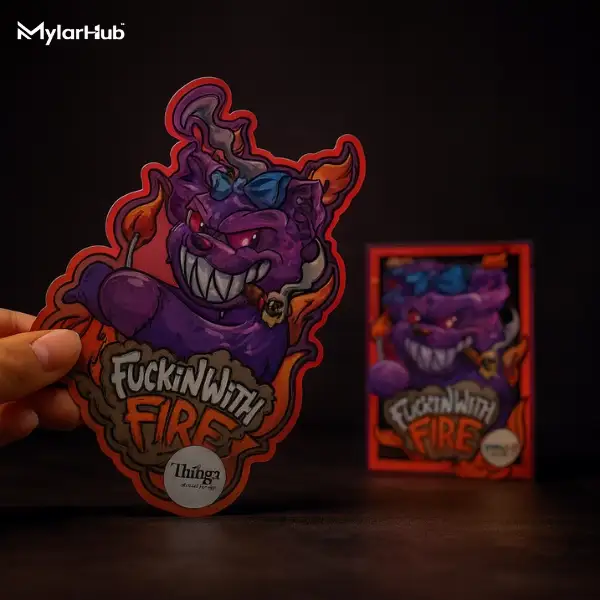
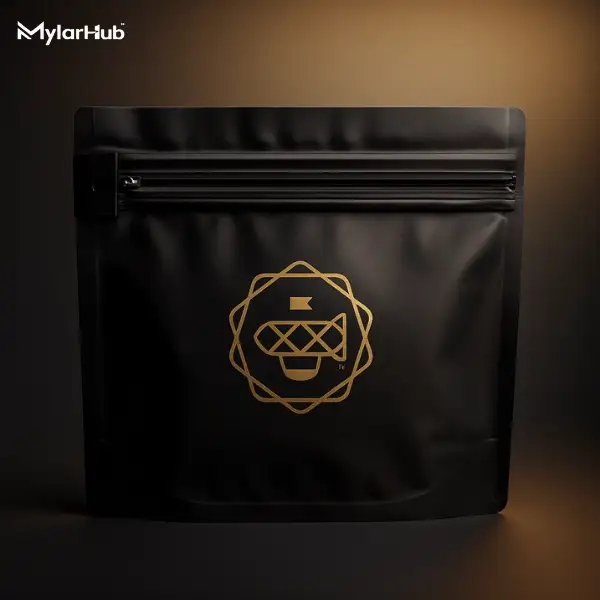
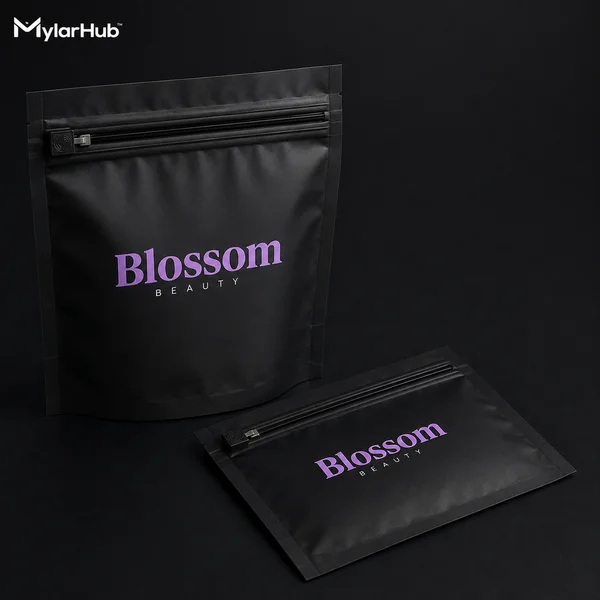
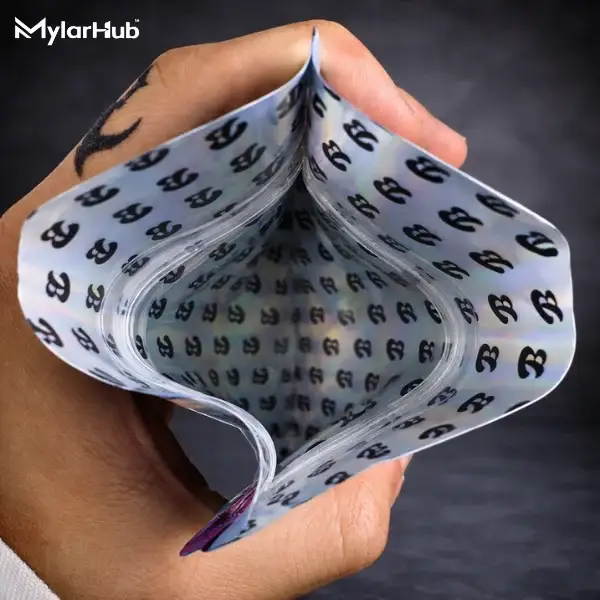
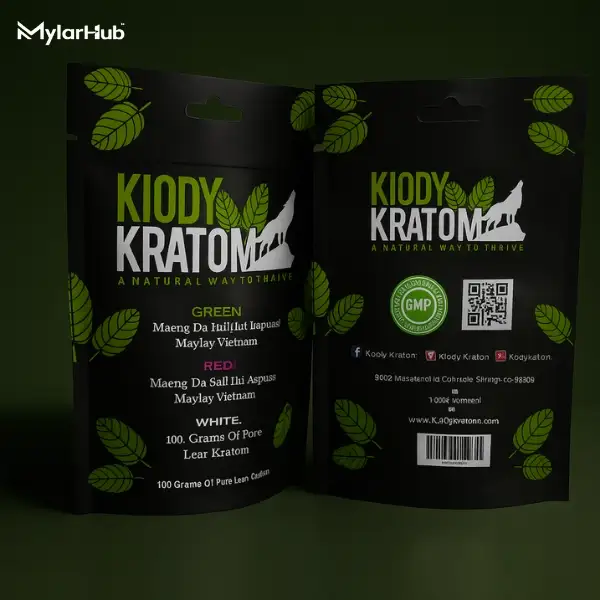
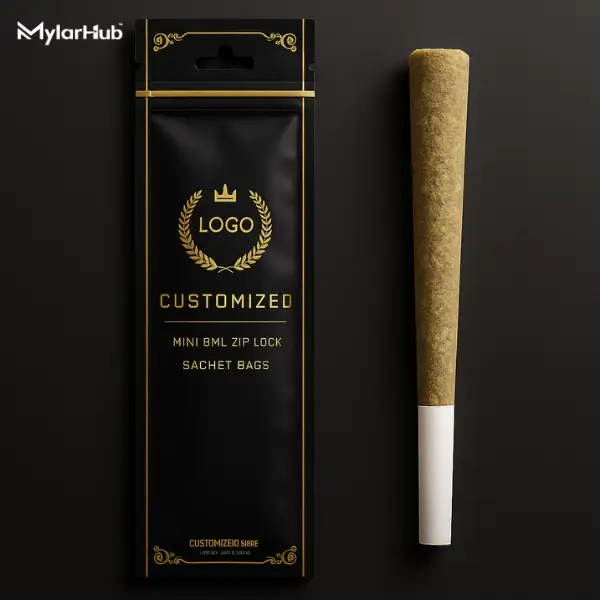
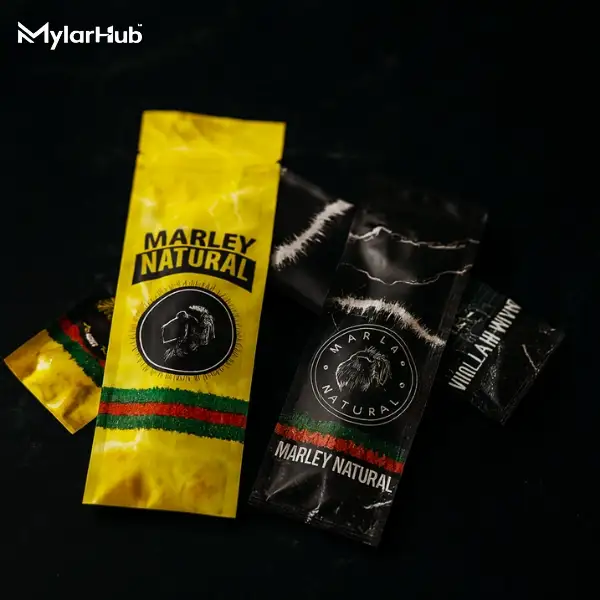
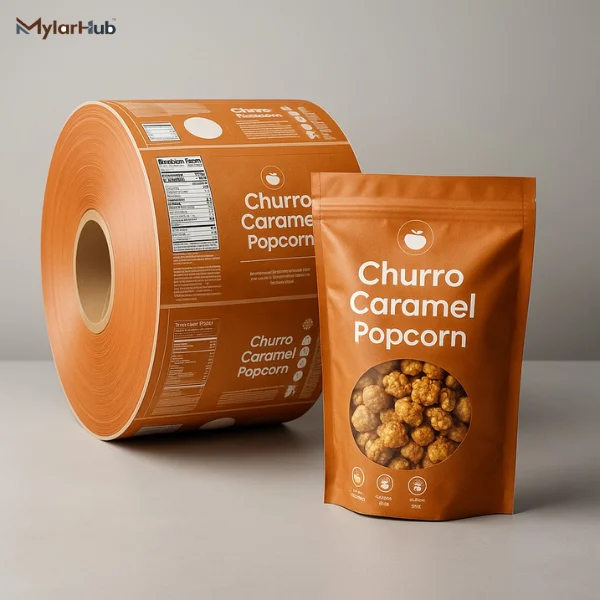
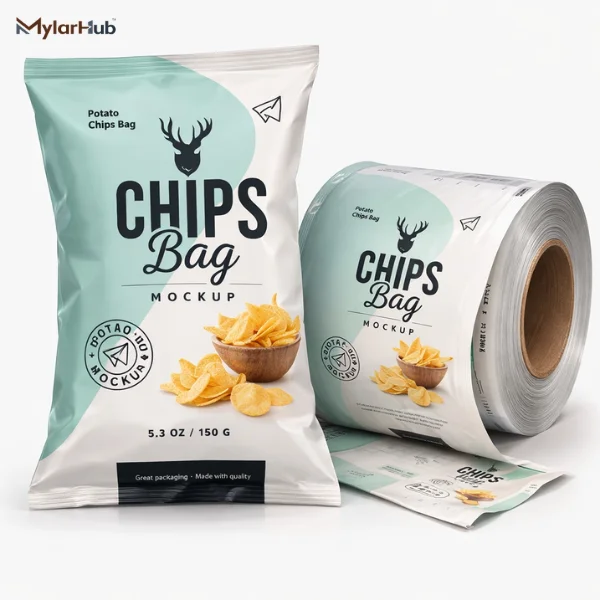
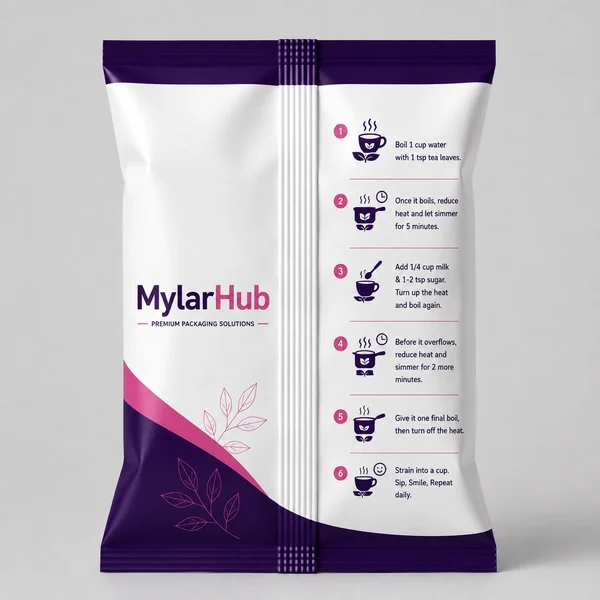
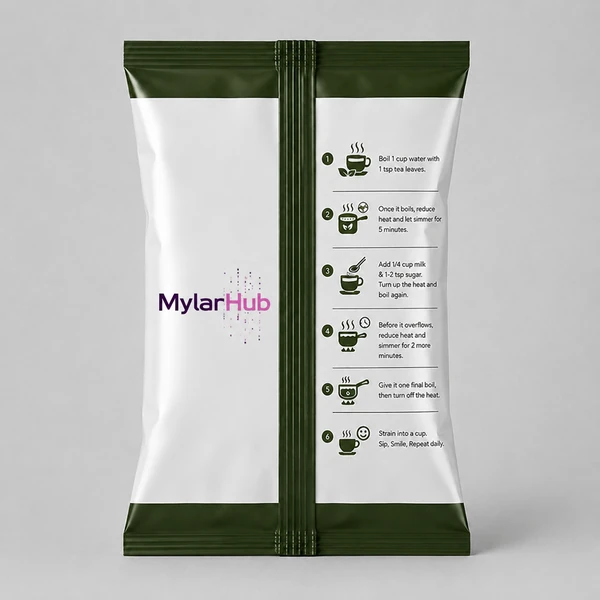
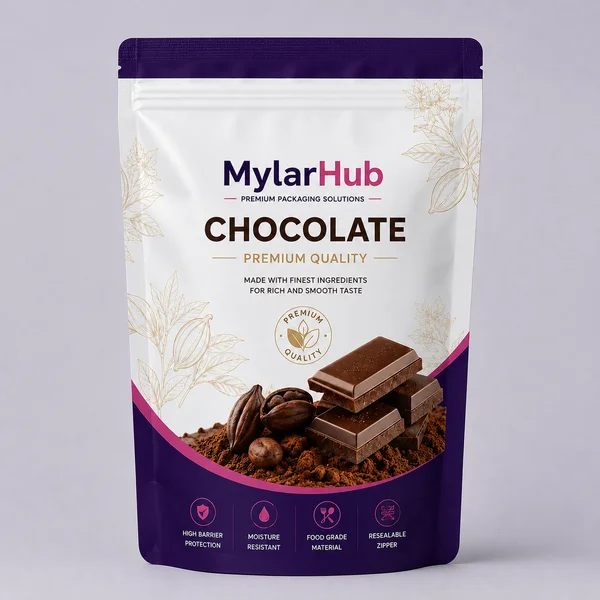
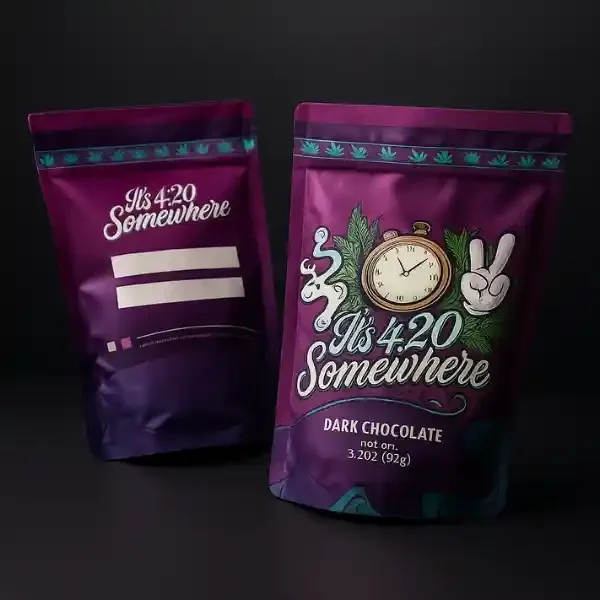
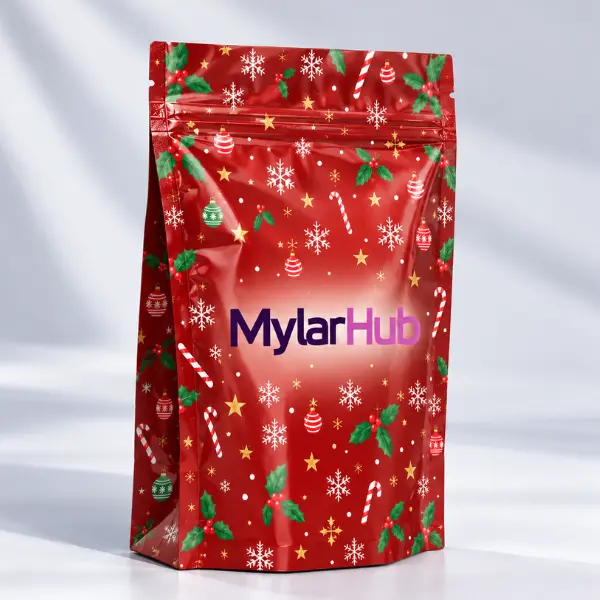
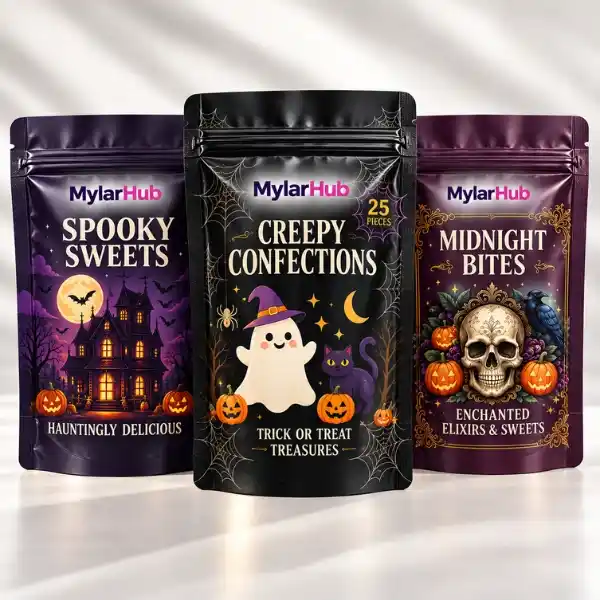
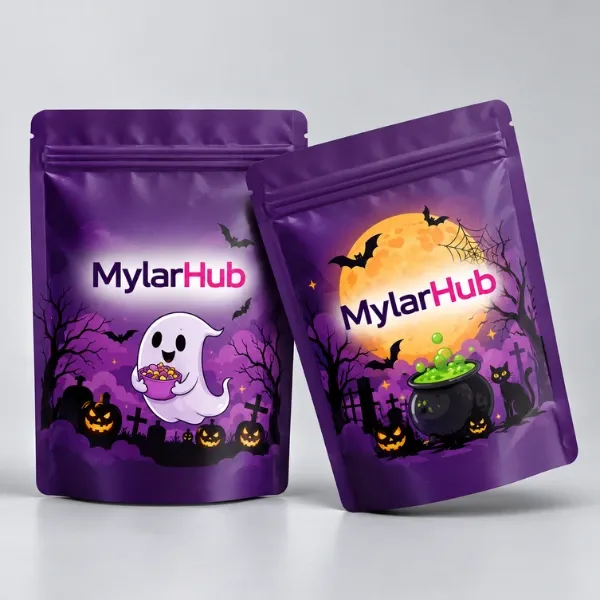
Custom printing Mylar bags with a logo directly engraves the product name, panel of ingredients, use instructions and necessary regulatory text onto the surface of the bag. Art is verified against the die line, and the bag printed is the same as the approved design file. Full-coverage graphics can be applied to all of the surface of custom printed Mylar bags, not just one panel.
What Materials Make Up a Mylar Bag's Barrier Structure?
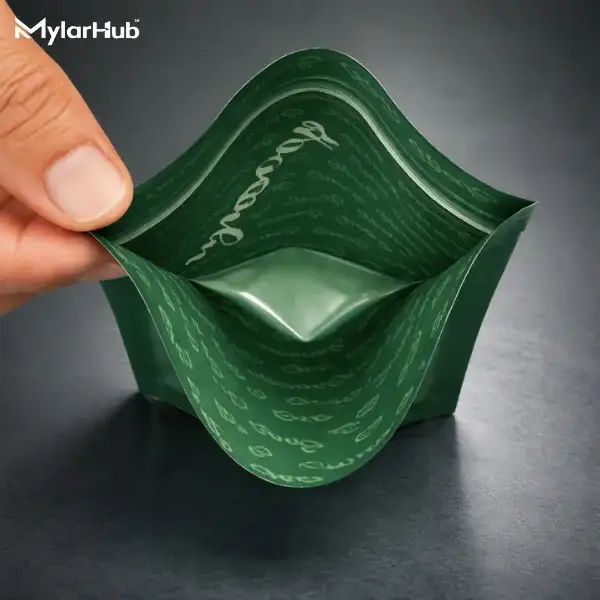
The barrier structure of a Mylar bag is a laminate of two to four films and each film adds a particular barrier or structural property:
- PET (polyester): offers tensile strength, dimensional stability and a smooth print base.
- VMPET (metallized PET): adds an oxygen and moisture barrier at a lower cost than foil.
- PE (polyethylene): constitutes the internal heat-seal and provides flexibility.
- Aluminum foil: is a complete block of light and offers the highest level of barrier protection for products that require a long shelf life.
Oxygen transmission rate OTR and water vapor transmission rate WVTR are used to measure barrier performance. According to the ASTM D3985 convention, a film that has an OTR of less than 1 cc per 100 square inches per 24 hours is considered a high-oxygen barrier which is the standard that the metallized and foil laminates typically attain. The choice of the material needs to be in accordance with the oxygen and moisture sensitivity of the product and not a specification default.
What Thickness Should a Custom Mylar Bag Be?
The thickness of bags is determined in mils and is determined by the durability and filling method needed, rather than the type of bag. Most applications are covered by three thicknesses: 3 mil lightweight applications, 5 mil standard retail applications, and 7 mil high-weight applications for heavier products or a more rigid hand-feel. Federal cannabis child-resistant regulations independently demand heat-sealed plastic containers devoid of a comfortable-open attribute to measure no less than 4 mils.
Finishes You Can Add to a Custom Mylar Bag
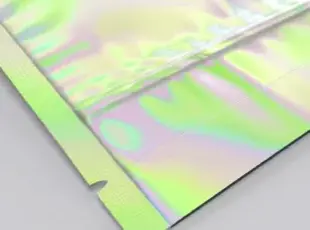
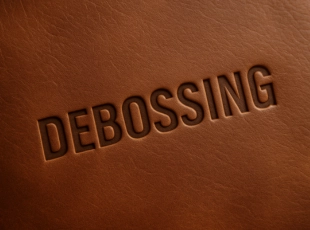
Finish does not affect the barrier performance, but it changes the surface texture and reflections of the light of the printed design. Matte finish decreases glare. Gloss finish enhances saturation of color. Soft touch finish provides a low-slip and textured finish. Spot UV adds a shiny layer to the desired components of the design. Foil stamping provides an accent of reflective metal. The choice of finish will be based on the base film and the printing technique.
Closures and Functional Features Are Available
The choice of closure is based on the number of times that the customer reopens the package. There is a zipper that is resealable to facilitate repeated use. A notch tear is faster than a single-use tear. A heat seal will create a one-time, tamper-evident seal. Even without the type of closure, hang holes, gussets and windows can be added.
What Mylar Bag Styles Can You Choose From?
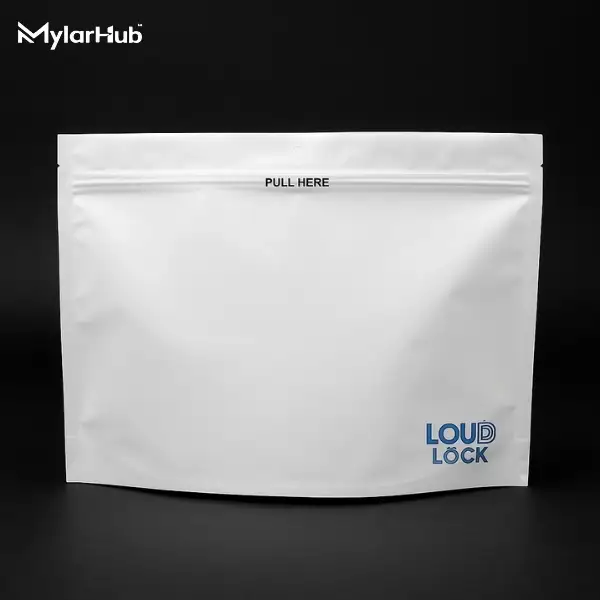
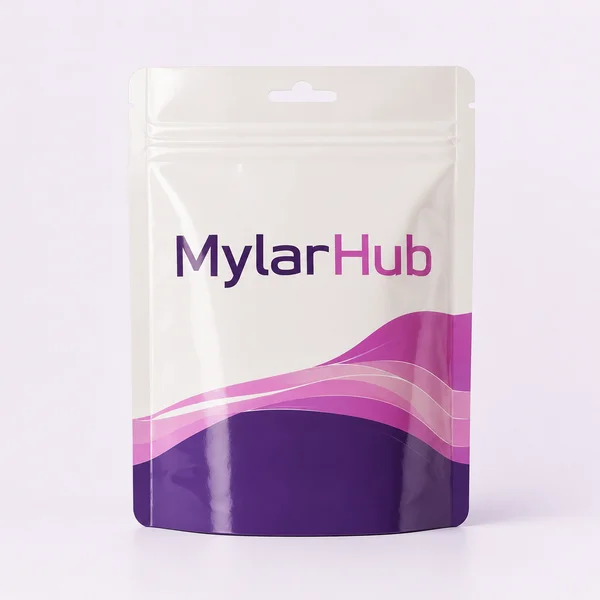
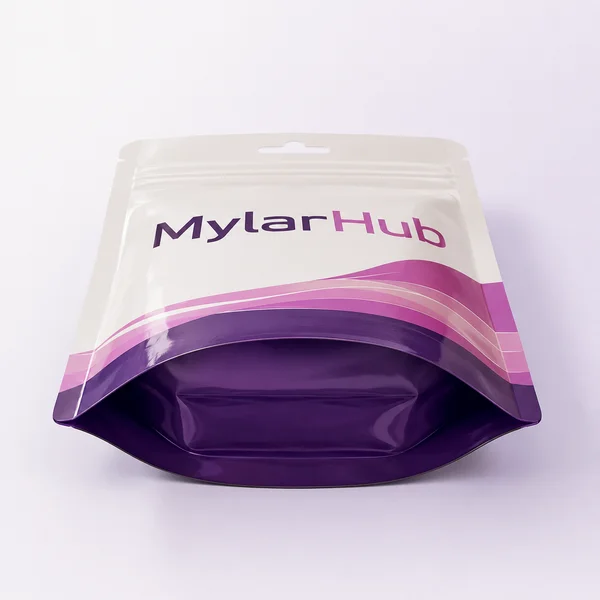
The retail and industrial applications can be seen in most of the pouch styles: stand-up, flat, gusseted, window, die-cut and child-resistant. The right style is determined by the manner of filling the product, displaying, and reopening.
Stand Up Pouches
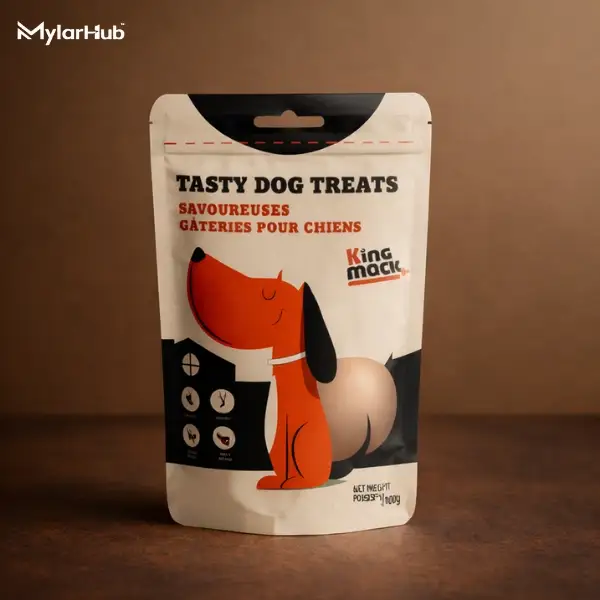
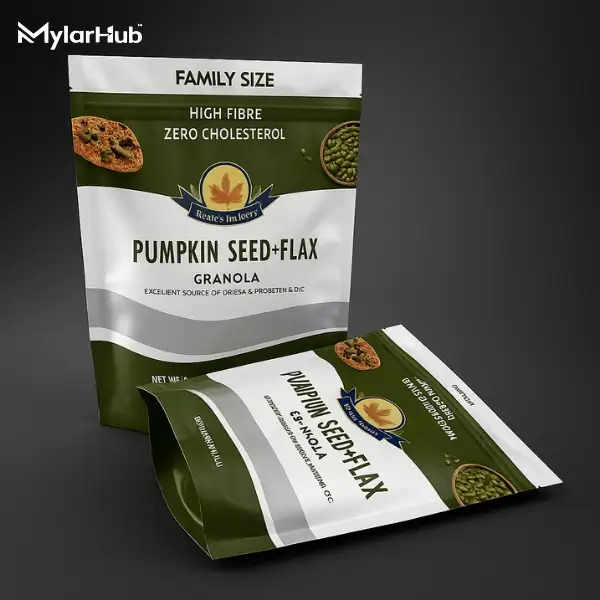
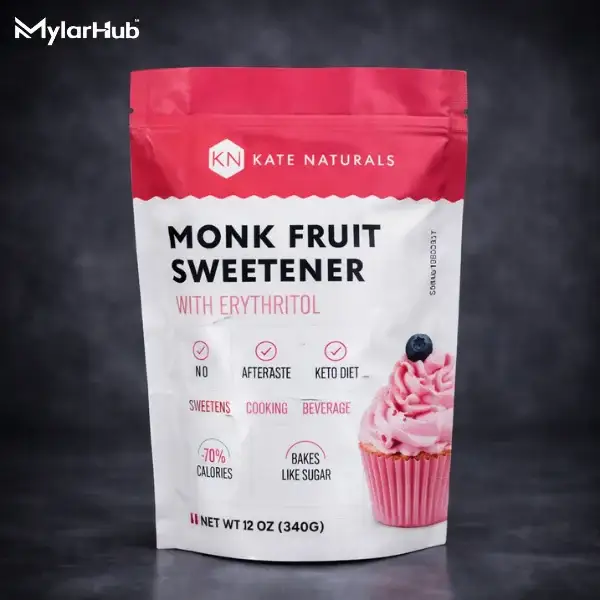
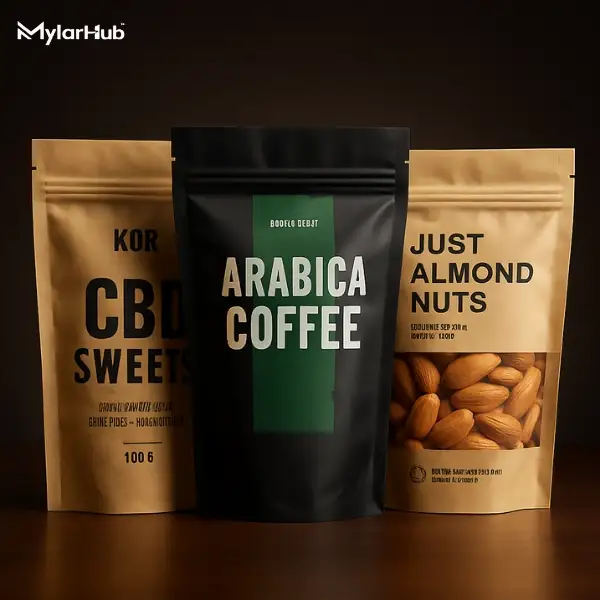
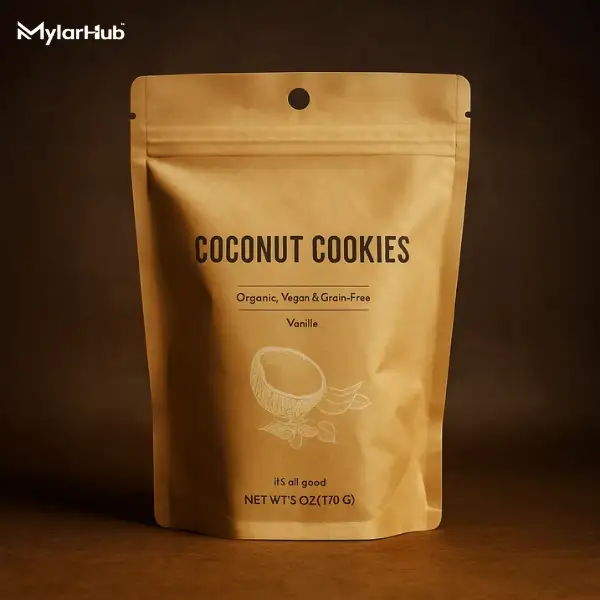
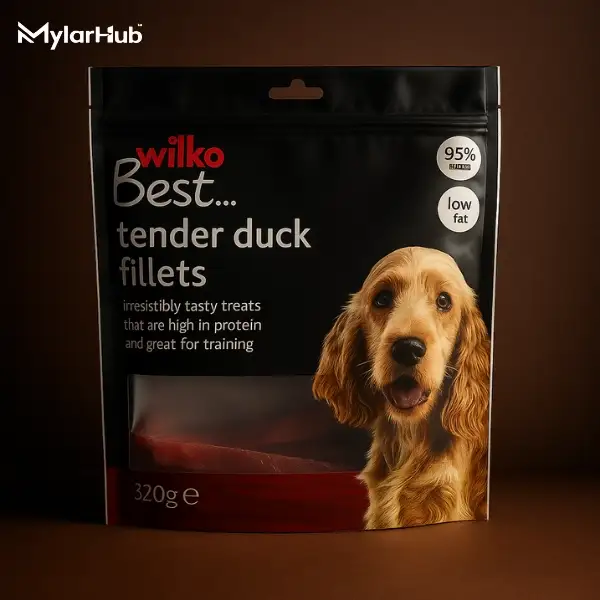
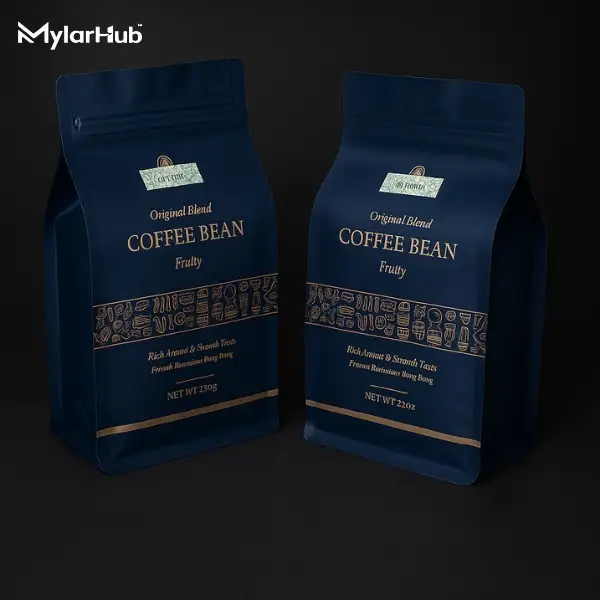
A stand up pouch has a bottom gusset which enables it to stand on a shelf without any support. In Coherent Market Insights, projections show that the stand-up pouch format will enjoy the largest single format share, 32.8% of the global flexible packaging market in 2026, owing to shelf visibility and space efficiency. Stand-up pouches are appropriate for snacks, coffee, pet treats and supplements.
Flat Bags
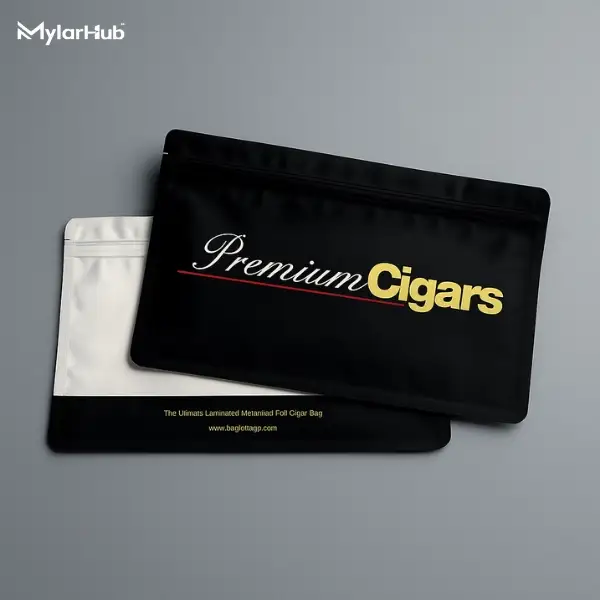
A flat bag does not have a gusset and is flat when filled, so it utilizes less material per unit. Flat bags are used with samples of products, powders, and trial-size products where the unit price is more important than shelf appearance.
Gusseted Bags
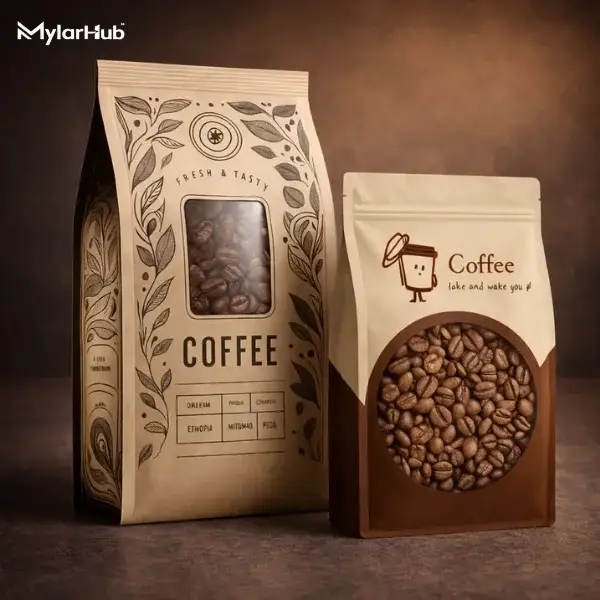
gusseted bag will add side or bottom panels which increase volume when the bag is filled, but do not increase footprint. Gusseted construction is used on items like coffee, grains, and pet treats that require a greater internal volume than a flat bag can offer. Gusseted Mylar Bags are available in various sizes.
Window Bags
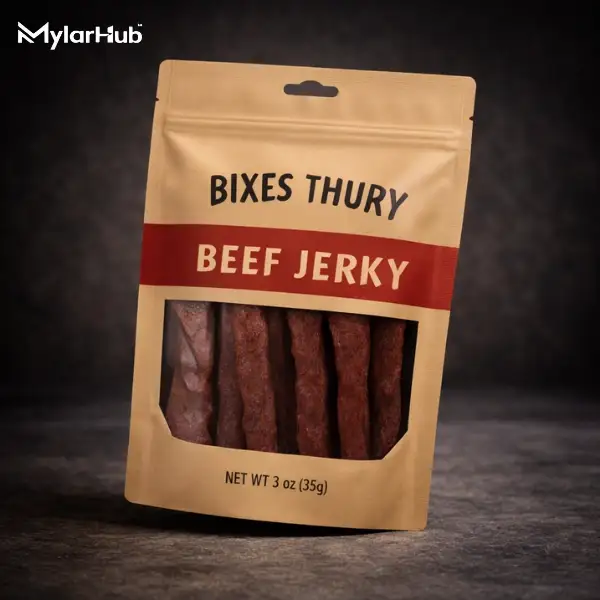
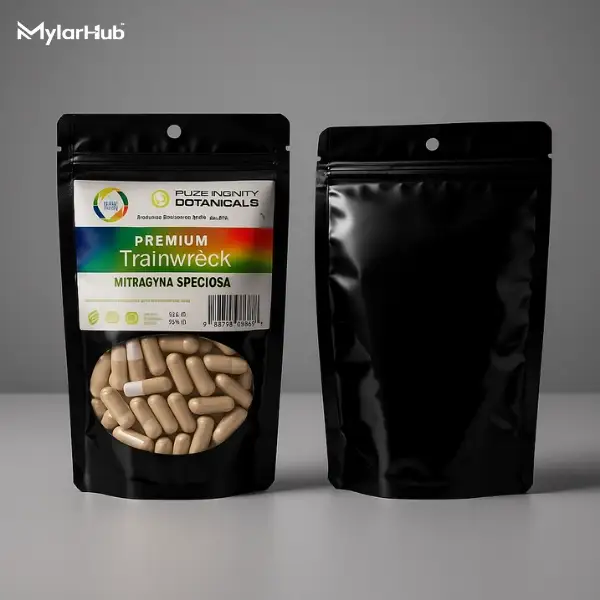
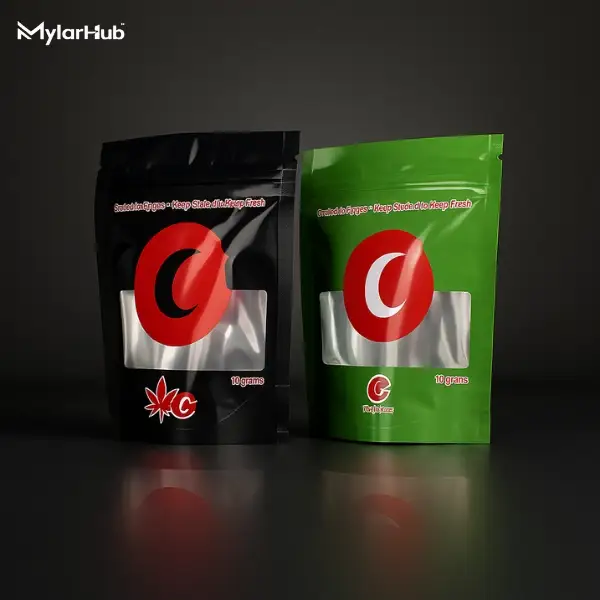
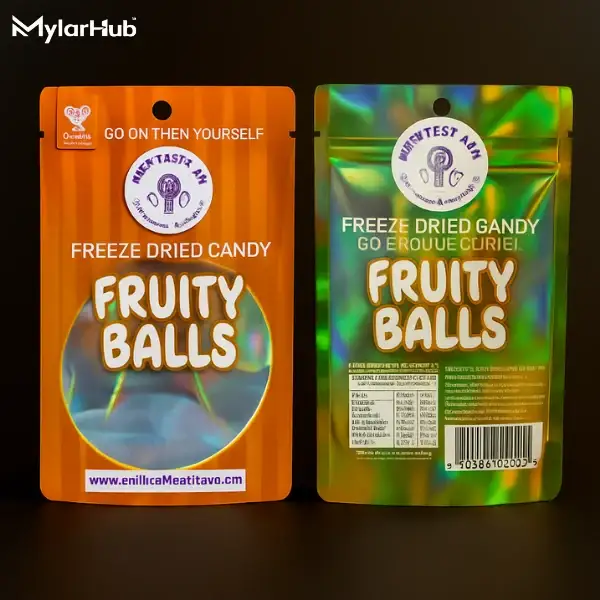
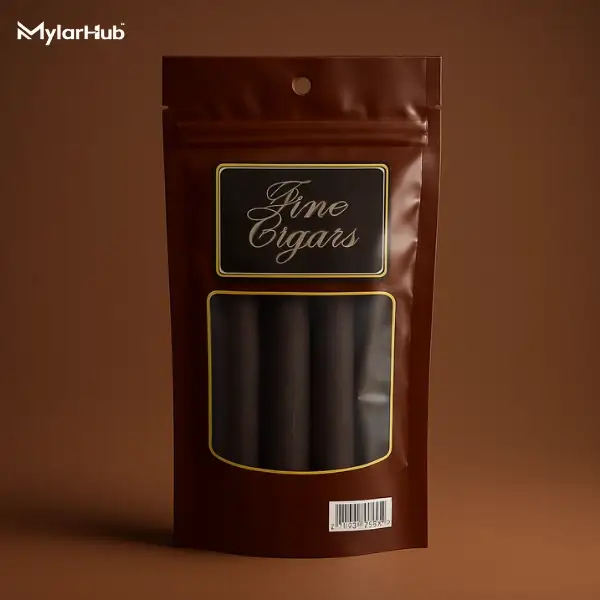
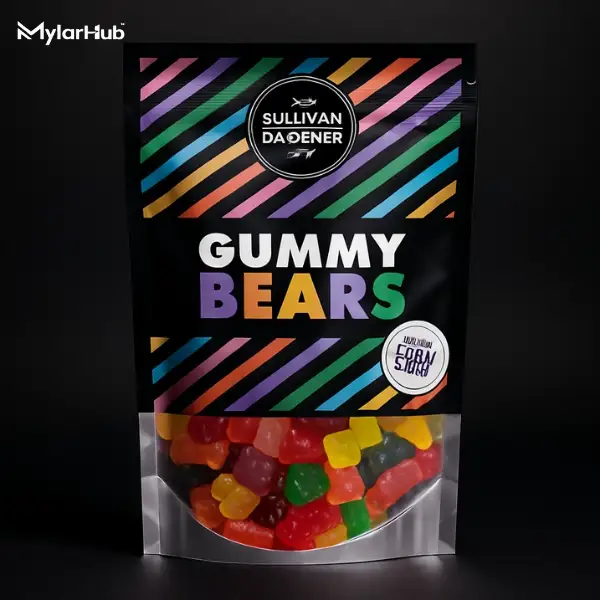
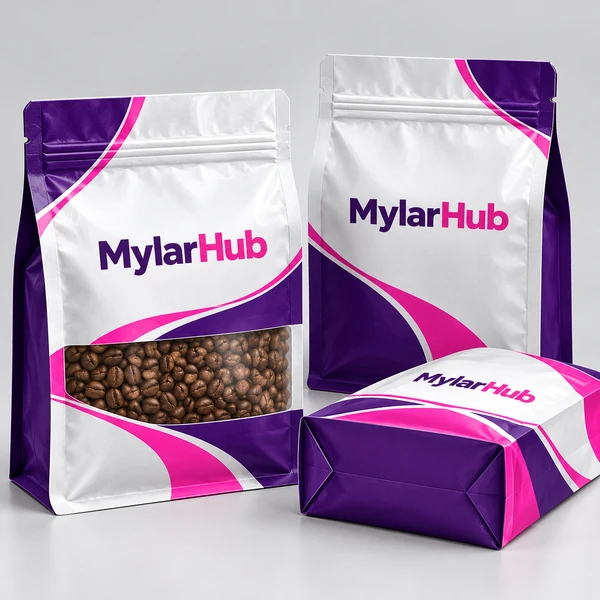
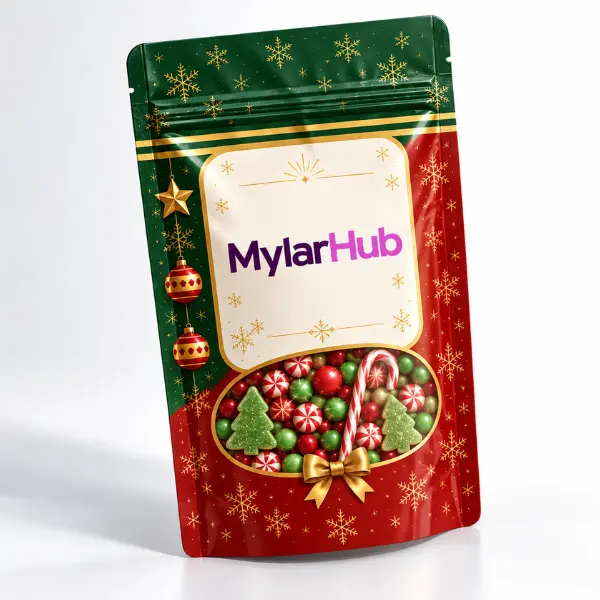
A window bag is a bag that incorporates a transparent panel with an opaque barrier film, thus enabling the product to be viewed without opening the package. The window is scaled to feature the product and the rest of the surface is used for branding and necessary label text. Structural options are available in Window Mylar Bags.
Die-Cut Bags
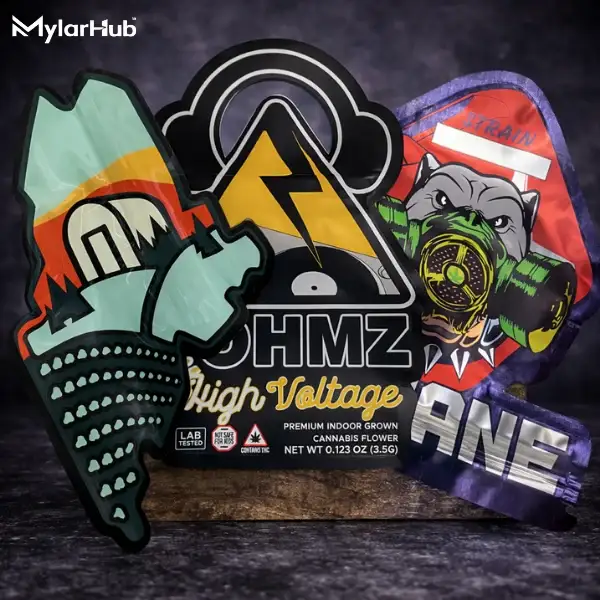
A die-cut bag is cut to a specific shape rather than a generic rectangle, altering the shelf silhouette without altering the internal structure of the barriers. Die-cut formats are appropriate when launching a product or when promoting a product that needs to be differentiated on the shelves. Read the guide to die-cut Mylar bags to build instructions.
Child Resistant Bags
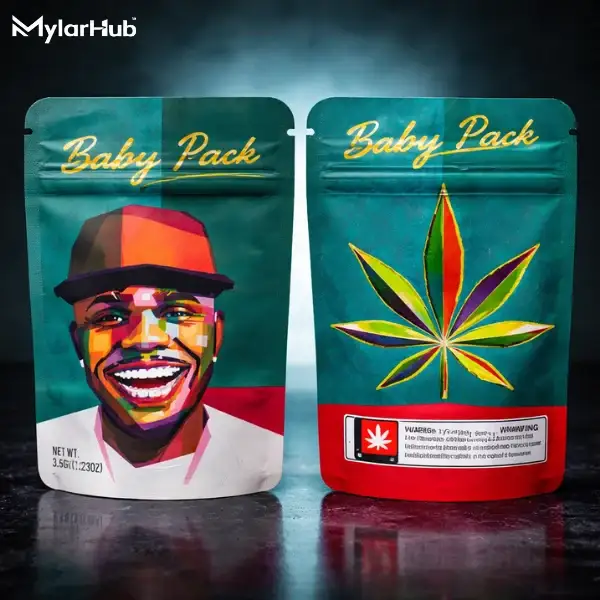
The Poison Prevention Packaging Act (16 CFR Part 1700) involves testing a child-resistant bag against the U.S. Consumer Product Safety Commission standards. Two panels are used in the test: fewer than 20% of 200 children aged 42 to 51 months can open the package in five minutes and at least 90% of 100 adults aged 18 to 70 can open and close it. All states that have legal cannabis markets in the U.S. require child-resistant packaging that is based on this federal standard. Compliant constructions with the use of Mylar Bags include Child Resistant Mylar Bags.
How Do Mylar Bags Compare to Other Packaging Materials?
Laminates in Mylar style get better results on compound barrier and branding surface than single-layered plastic and paper, and glass and rigid plastic get better on structural rigidity.
Mylar vs. Standard Plastic Bags
The plastic bag only has a layer and possesses one film and one barrier property. A Mylar laminate is a combination of two or four films, each with a distinct barrier quality, and as a result, has a lower oxygen and moisture permeation rate than most single-layered plastic bags of the same thickness, and a larger printable area.
Mylar vs. Paper Packaging
Paper does not have any built-in oxygen or moisture barrier and requires a film or coating layer to achieve the performance of Mylar. A Mylar laminate offers that protection as an inbuilt layer, without the need to apply a separate coating step.
Mylar vs. Glass Containers
Glass is nearly free of gas permeability but it increases weight and breakage opportunities during transportation. A similar Mylar pouch is a fraction of the weight of a comparable glass container and eliminates the danger of breaking, at the expense of being less puncture-resistant than rigid glass.
What Industries Use Custom Mylar Bags?
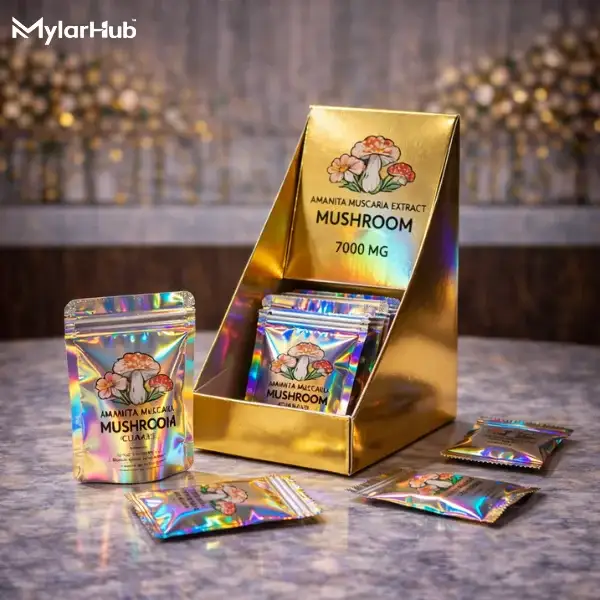
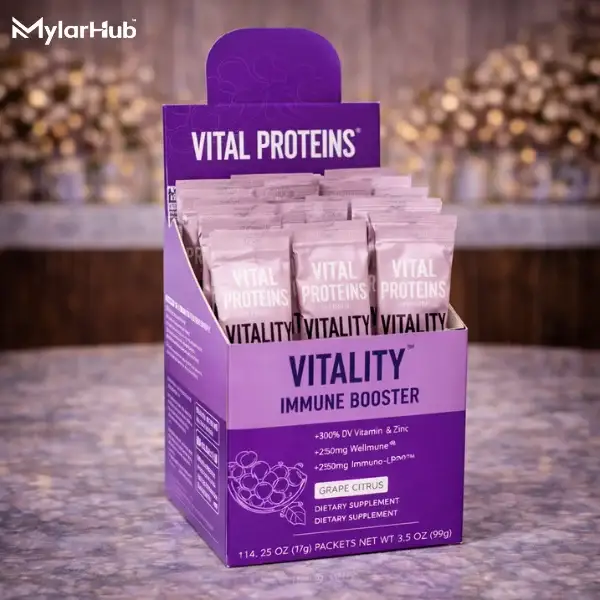
The most common users of custom Mylar bags are food, supplement, cannabis and pet-product brands since each category requires a recorded barrier level to any of the three: oxygen, moisture or light. The global flexible packaging market which includes Mylar-style pouches, according to Grand View Research was estimated to be worth $293.9 billion in 2025 and will grow to $440.9 billion by 2033, a 5.3% compound annual growth rate with the plastic-film segment taking 69% of the material share.
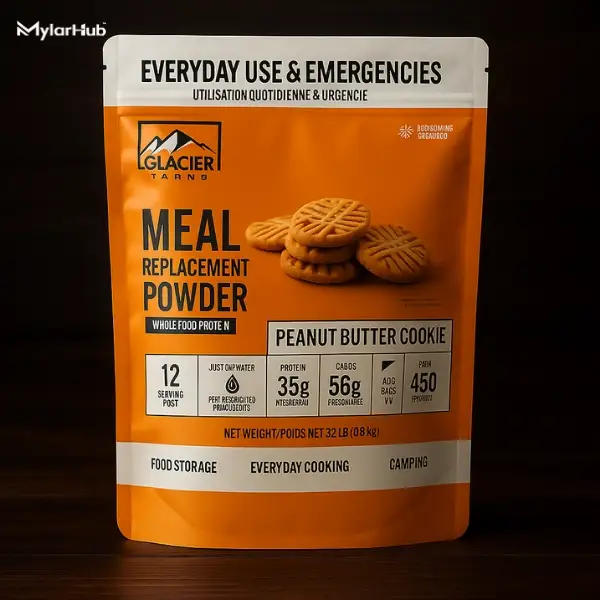
Typical products are food and snack products, coffee and tea, nutritional supplements, cannabis products, pet food and treats, cosmetics and herbs. The production should be checked against the relevant food-contact or regulatory requirements of the target product category in terms of material structure and thickness.
Which Printing Method Should You Use for Custom Mylar Bags?
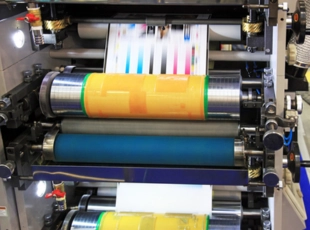
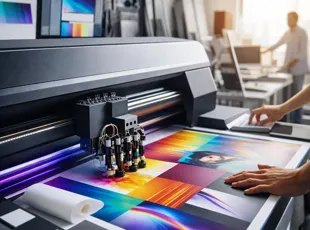
The printing method is determined by the volume of the order and the detail of the artwork, and not by bag style. Digital printing is used with short runs and variable artwork as it is printed directly off a digital file without a plate-setup stage. Flexographic printing involves printing plates and is more cost-efficient in terms of unit cost when it comes to larger volumes of production. Gravure printing involves the use of engraved cylinders and the reproduction of colors is the most consistent on large orders.
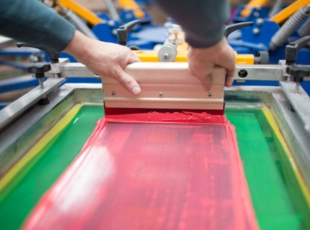
Screen printing uses a mesh screen and creates thick, opaque colors onto any type of packaging that is desired. The process of transferring ink using an intermediate cylinder is referred to as offset printing and it is appropriate for detailed graphics on a particular substrate. Volume quantities of fewer than a few thousand units usually prefer digital printing; quantities of more than that usually prefer flexographic or gravure printing.
What Size Custom Mylar Bag Do You Need?
The fill weight and density of the product determine the bag size, not a predetermined bag size chart. Starting with bags: 3.5g to 10g range bags are ideal for samples and single-serving items; 1 oz to 5 oz range bags are ideal for most retail snack, coffee and supplement items; larger bags above 5 oz range bags are ideal for bulk and custom mylar bags wholesale formats. When asking for a quote, the actual weight, volume and density of the product are provided; the starting specification is more accurate than when a size chart is used.
How Does the Custom Mylar Bag Ordering Process Work?
The process of ordering follows four predetermined phases: submit requirements, review requirements, approve artwork, and production and delivery, which is the easiest way to order Mylar bags in bulk.
- Submit your requirements. Give the type of product, fill weight or volume, bag style, printing requirements, and quantity ordered.
- Review the packaging specification. Before production, Mylar Hub verifies bag construction, size, fabric, printing process, finish, and closure.
- Approve your artwork. A proof is sent out against the confirmed die line to enable you to verify the design before production of the order.
- Production and delivery. The order is transported to Production based on the approved specification and a delivery schedule is confirmed based on the production schedule.
Why Choose Mylar Hub for Custom Mylar Bags?
We focus on Mylar bag packaging instead of providing it as a single line among numerous packaging formats. The service includes:
- Low MOQ starting from 250 units
- Free design support for artwork preparation
- Custom sizes, styles and shapes
- Multiple printing methods and premium finishes
- Wholesale Mylar bag pricing on bulk orders
- Fast turnaround options
- Free shipping on qualifying orders
Verify existing MOQ, turnaround, shipping, and return conditions with Mylar Hub prior to placing an order as they vary by material, size and method of printing.
Get a Quote for Custom Mylar Bags
Request a quote and ask them to include your product type, your favorite bag style and size, your artwork and also the quantity of bags you want. Mylar Hub checks the specifications and verifies material, printing and turnaround prior to production. Find out about custom Mylar packaging options for more formats, or refer to the complete guide to Mylar bags to get background on barrier packaging.