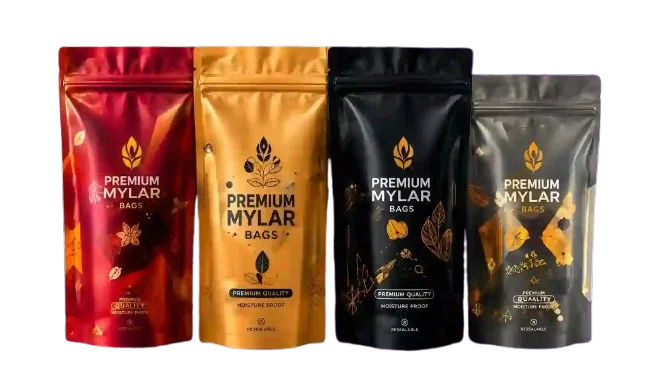


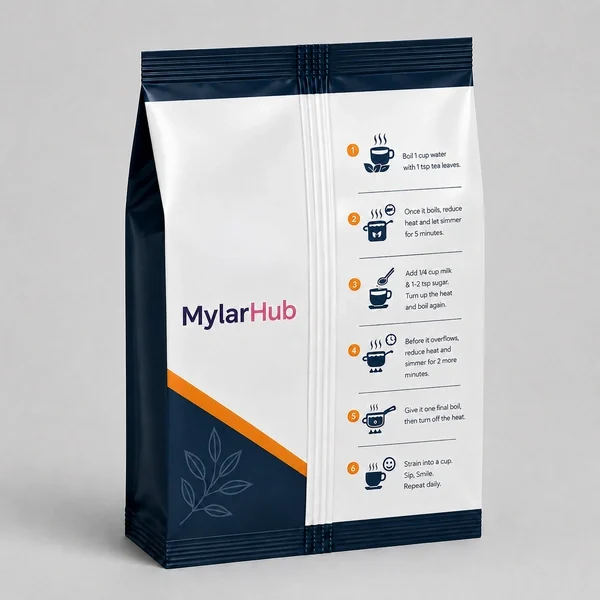
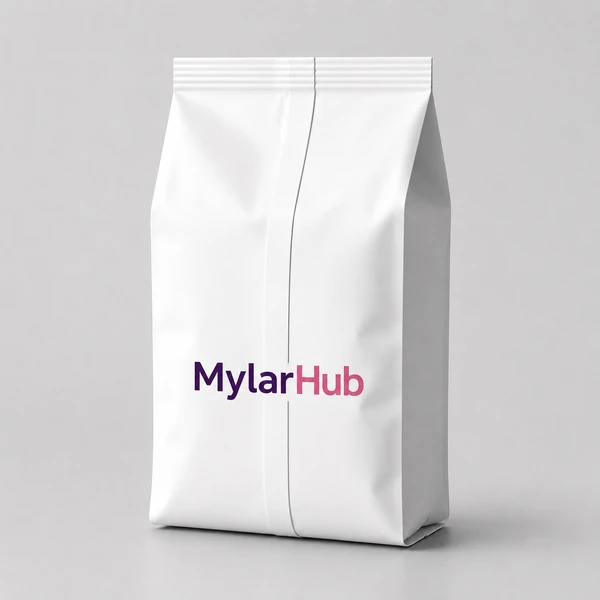
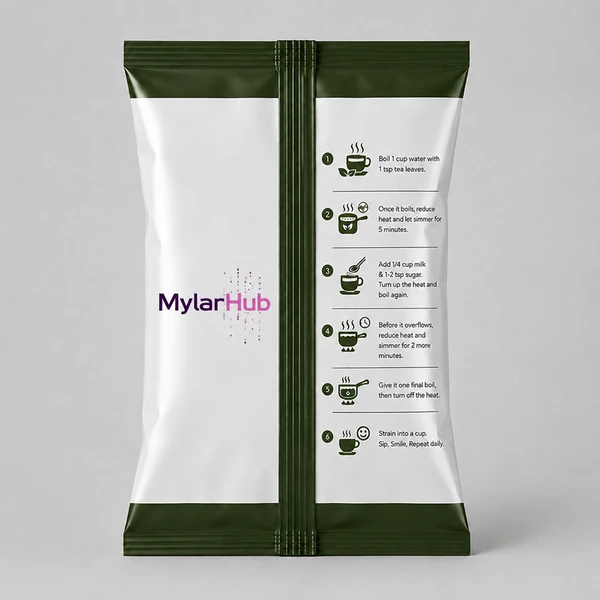
Back Seal Pouches
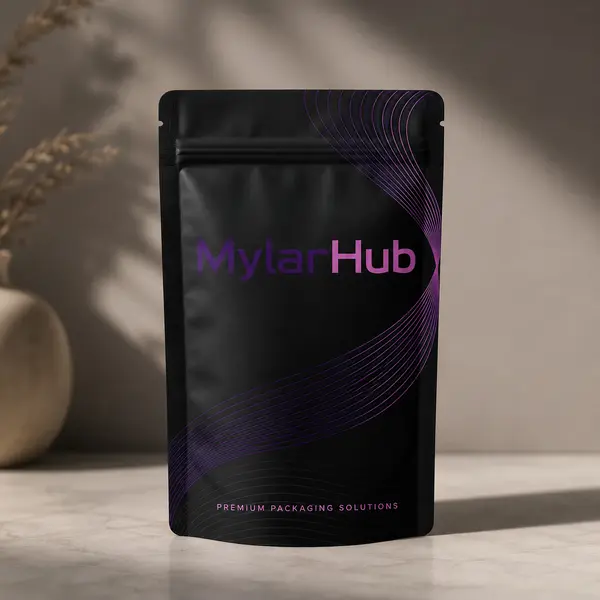
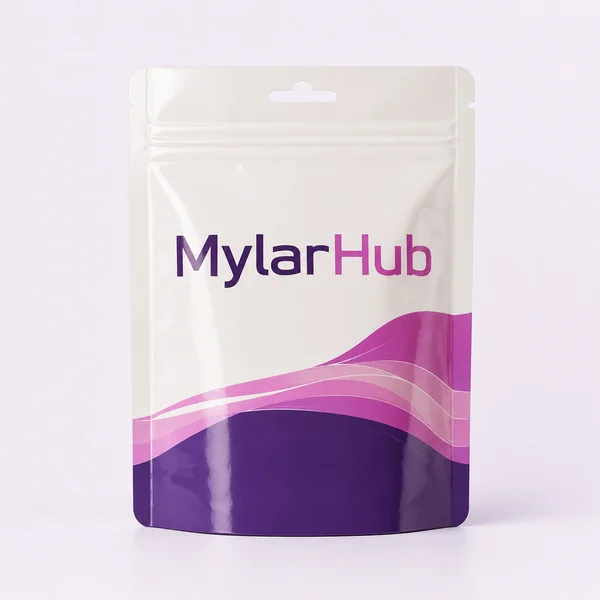
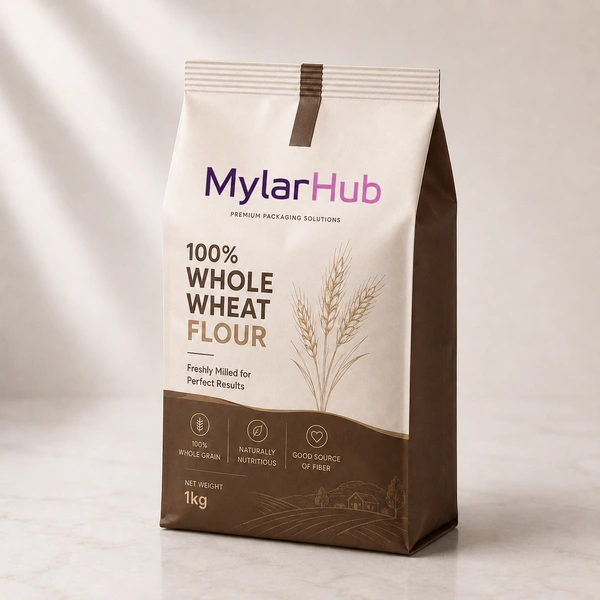
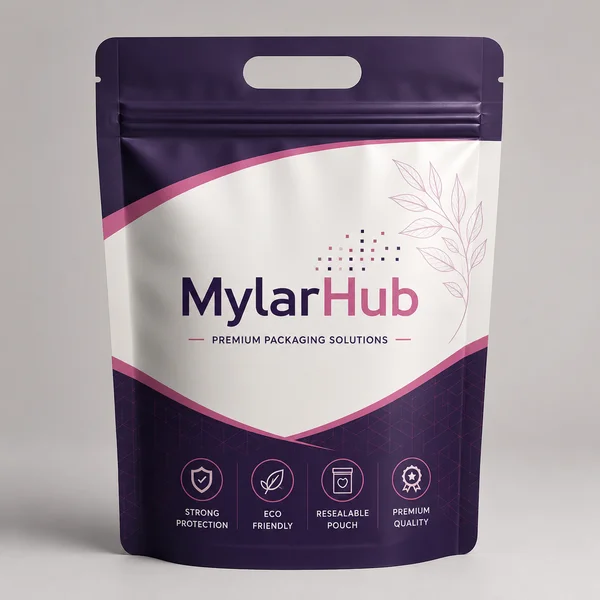
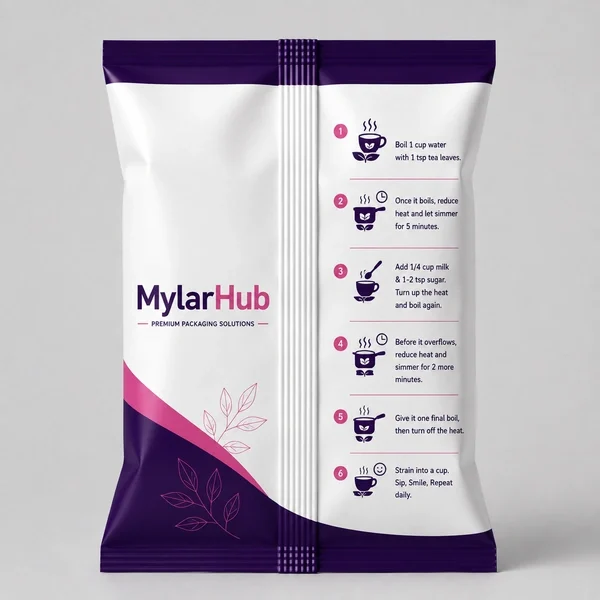
Your packaging should provide a clean surface for branding without letting the seam interfere with the overall presentation. A Back Seal Pouch places the primary seam along the back of the package, leaving the front panel open for logos, graphics, product information, and other branding elements. This practical design combines a clean retail appearance with a secure package structure, making it suitable for a wide range of products and applications. Request a custom quote from Mylar Hub and create Back Seal Pouches designed around your product and branding needs.

Buy More, Save More - 25% off
| Style | Back Seal Pouch |
| Availability | In Stock |
| Dimension (L+W+H) | All Custom Sizes & Shapes |
| Quantities | 250 - 500,000 |
| Material Options | PET (Polyethylene Terephthalate), Clear PET, Metallized PET, Brown Kraft / White Kraft, PLA / Biodegradable |
| Printing | No Printing, CMYK, CMYK + 1 PMS color, CMYK + 2 PMS colors |
| Finishing | Gloss Finish, Matte Finish, Holographic finish, Hot Foil Stamping, Spot UV Coating, Soft Touch Finish |
| Included Options | Tear Notch, Zip Closure, Hanging Holes, Gusseted Sides & Base, Transparent Window, Custom Shapes, Rounded Corners |
| Key Features |
Moisture-Resistant – Ideal for preserving product freshness. Food-Safe – Ensures compliance with food safety standards. Reusable – Designed for extended use and sustainability. |
| Additional Options | Zipper Pouch, Stand-Up Pouch, Flat Pouch, Gusseted Pouch, Child-Resistant Pouch |
| Proof | Flat View, 3D Mock-up, Physical Sampling (On request) |
| Turnaround | 3 - 9 Business Days, RUSH |
| Shipping | FLAT |
Back Seal Pouches: Custom Packaging for Protection and Retail Presentation
Packaging needs to protect the product while giving brands enough space to create a professional presentation. Back Seal Pouches place the primary seal along the back of the package, leaving the front panel clean for branding, product information, and graphics.
This packaging format can be customized for different products, sizes, material structures, printing requirements, and finishes. Depending on the application, back seal pouches can be produced as pillow-style or flatter formats for products such as snacks, coffee, spices, powders, confectionery, samples, and other packaged goods.
What Is a Back Seal Pouch?
A Back Seal Pouch is a flexible package with a longitudinal seal positioned along the back of the pouch. This design keeps the main front panel relatively uninterrupted, providing a clean surface for branding and product information.
Back seal packaging is commonly used when manufacturers want an efficient pouch format with a large printable area and a practical structure for filling, transportation, storage, and retail presentation. The final performance of the pouch depends on factors such as the material structure, film thickness, seal design, product weight, filling process, and intended storage conditions.
How Back Seam Construction Improves Product Presentation
The position of a pouch seam can influence how the finished package looks on a retail shelf. By placing the primary seam on the back, the front panel remains available for logos, graphics, product information, and other design elements.
A clean front surface can make packaging easier to design and help important visual elements remain prominent when products are displayed together. A properly constructed back seam can also provide consistent package integrity when the appropriate material, sealing method, and production settings are used.
Back Seal Pillow Pouches for Flexible Retail Packaging
A Back Seal Pillow Pouch forms a fuller, pillow-like shape after filling. The back seam runs vertically along the package while the top and bottom seals close the pouch. This format makes efficient use of flexible packaging material and can be suitable for products that benefit from additional internal volume.
Common applications can include:
- Snacks
- Confectionery
- Coffee
- Dry foods
- Powders
- Seasonings
- Small specialty products
The appropriate pouch structure should be selected according to the product's weight, volume, sensitivity, and filling requirements.
Flat Back Seal Pouches for Compact Products
A Flat Back Seal Pouch provides a slimmer package profile for products that do not require the additional volume of a pillow-style pouch.
Its compact format can be useful for:
- Tea
- Spices
- Seasoning mixes
- Product samples
- Small dry goods
- Single-use products
A flatter pouch can also simplify storage and transportation when minimizing package volume is important. The final dimensions should be selected according to the product rather than relying on a generic pouch size.
Back Seal Pouch Materials for Product Protection
The material structure plays an important role in packaging performance. Depending on the product and application, multilayer films can be selected to provide appropriate levels of protection against moisture, oxygen, light, punctures, and other environmental factors.
Different products have different packaging requirements. For example, coffee, spices, snacks, and other sensitive products may require a stronger barrier structure than products that are less affected by environmental exposure.
Film thickness is another consideration. Heavier or sharper products may require a stronger structure with greater resistance to puncture and tearing.
Packaging material should therefore be selected based on the product, expected shelf conditions, transportation requirements, and desired shelf life rather than using the same specification for every application.
Custom Sizing for Different Products and Fill Weights
Generic pouch sizes can leave too much unused space or place unnecessary pressure on the package when the dimensions are too small. Custom Back Seal Pouches can be sized around the product's dimensions, fill weight, volume, and presentation requirements.
Proper sizing can help:
- Improve product presentation
- Reduce unnecessary empty space
- Support consistent sealing
- Improve storage efficiency
- Create a more uniform product line
- Match the pouch to filling equipment
Brands offering products in multiple sizes can also maintain consistent proportions and branding across their packaging range while adjusting dimensions for different fill weights.
Custom Printed Back Seal Pouches for Stronger Branding
The large front panel of a back seal pouch provides valuable space for branding. Custom Printed Back Seal Pouches can feature logos, product names, graphics, product information, instructions, and other required details.
High-quality printing can reproduce fine text, gradients, logos, and detailed artwork with clarity. Consistent color reproduction is particularly important for brands that sell through multiple retail locations or reorder the same packaging regularly.
A consistent print design across different pouch sizes can help customers recognize products within the same product line.
Printing Methods for Back Seal Packaging
The appropriate printing method depends on factors such as order quantity, artwork complexity, production requirements, and budget.
Digital Printing
Digital printing can be useful for shorter production runs, variable artwork, and brands that want greater flexibility during product launches or testing.
Rotogravure Printing
Rotogravure printing can be suitable for larger production quantities where consistent, high-quality reproduction is important across extended production runs. The best printing method should be determined according to the specific order rather than choosing a method based only on the pouch type.
Finishing Options That Improve Presentation
The pouch finish can influence both its visual appearance and how it feels in the customer's hands.
Common options include:
- Matte finish: Creates a smooth, understated appearance.
- Gloss finish: Adds brightness and can make printed colors appear more vibrant.
- Soft-touch finish: Provides a smooth, premium tactile feel.
- Spot UV: Can highlight selected logos or graphic elements.
- Foil effects: Can add visual emphasis to specific areas of the artwork.
The ideal combination depends on the brand's positioning, product category, artwork, and desired retail presentation.
Customization Options for Back Seal Pouches
Different products require different packaging configurations. Customization allows brands to select features based on their product and intended use.
Depending on the available configuration, options may include:
- Custom pouch dimensions
- Different material structures
- Film thickness options
- Custom printed artwork
- Resealable zippers
- Transparent windows
- Tear notches
- Matte, gloss, or soft-touch finishes
- Additional reinforcement where required
- Custom color schemes and branding
Selecting these features during the design stage helps ensure that the finished pouch is suitable for both the product and the intended customer experience.
How to Choose the Right Back Seal Pouch
Before ordering custom back seal packaging, consider the following factors:
Product Weight and Shape
Heavier or irregularly shaped products may require a stronger material structure or different dimensions than lightweight products.
Product Sensitivity
Products affected by moisture, oxygen, or light may require an appropriate barrier structure. The required level of protection depends on the product and storage conditions.
Pouch Size
The pouch should provide enough room for filling and sealing without creating unnecessary excess space.
Filling Process
If the pouches will be filled using automated equipment, the pouch dimensions and construction should be reviewed against the machine specifications before production.
Printing Requirements
Consider the artwork, print area, colors, graphics, and information that need to appear on the front and back panels.
Closure Requirements
Products that customers open and use repeatedly may benefit from a resealable zipper, while single-use products may not require one. Considering these factors before production can reduce packaging issues and help ensure that the final specification matches the intended application.
Common Mistakes to Avoid When Ordering Back Seal Pouches
Choosing the Wrong Material
Using a material structure that does not match the product's protection requirements can affect packaging performance. Material selection should consider moisture, oxygen, light, puncture resistance, and storage conditions where relevant.
Selecting the Wrong Size
An oversized pouch can create unnecessary empty space, while an undersized pouch can put pressure on the seals and affect the overall presentation.
Ignoring Product Weight
The pouch structure should be suitable for the filled product. Heavier products may require stronger film or additional construction considerations.
Skipping Sample Approval
A physical sample can help verify dimensions, material appearance, print quality, closure performance, and overall pouch design before a larger production order.
Forgetting About Filling Equipment
If automated filling equipment is used, confirm compatibility before finalizing the pouch specifications. Machine requirements can vary by equipment type and pouch design.
Quality and Production Considerations
Consistent packaging requires attention to more than the printed artwork. Material selection, dimensions, seal quality, printing accuracy and final inspection all contribute to the finished pouch.
At Mylar Hub, packaging specifications can be reviewed around the product's intended application and branding requirements. Approving artwork and, where appropriate, physical samples before larger production runs can help identify potential issues before they affect a full order.
For repeat orders, maintaining a consistent specification for pouch dimensions, materials, artwork, finishes, and closures can help preserve product-line consistency from one production run to the next.
Why Choose Mylar Hub for Custom Back Seal Pouches?
The packaging supplier you choose can affect product presentation, consistency, and the reliability of future orders. MylarHub provides custom Back Seal Pouch packaging based on product requirements, branding specifications, and intended use. Brands can customize pouch dimensions, printing, material structures, finishes, and available closure options according to their packaging needs.
For growing businesses, maintaining a clear packaging specification is particularly useful when moving from an initial order to repeat production. Consistent specifications can make reordering easier and help maintain the same appearance across different production batches.
Get Custom Back Seal Pouches for Your Product
The right pouch should do more than contain a product. It should provide an appropriate level of protection, support efficient packaging, and give your brand a clean and professional presentation.
Custom Back Seal Pouches offer a flexible packaging solution for businesses that need customized dimensions, printed branding, suitable material structures, and different finishing options.
Whether you are launching a new product, updating existing packaging, or preparing for larger distribution, selecting the right pouch design and specifications from the beginning can help create a more consistent packaging experience.

Aluminum foil features a quick-drying coating that is cured using ultraviolet light, available in both glossy and matte finishes.
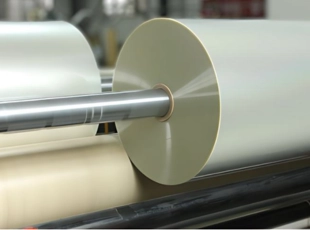
BoPET incorporates a laminated protective film that bonds to packaging surfaces, enhancing strength and durability.

Clear PET provides a soft, peach-skin-like lamination, available in either satin or matte finishes.

Kraft features a clear, quick-drying, water-based, eco-friendly coating, offered in both gloss and matte finishes.
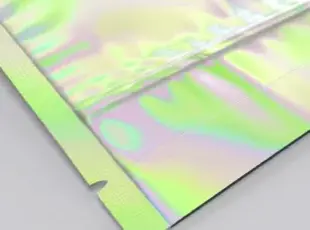
Metallized provides a soft-to-the-touch lamination similar to peach skin and is available in a satin or matte finish.
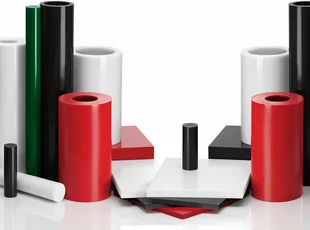
Nylon features a UV coating applied to specific areas and cured with ultraviolet light for enhanced durability and finish.
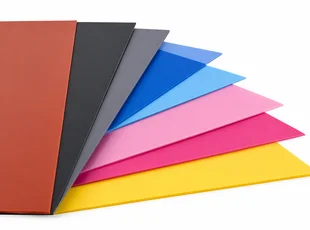
Polypropylene features a laminated BOPP film that resists scratches, scuffs, and fingerprints, making it a durable and cost-effective choice.
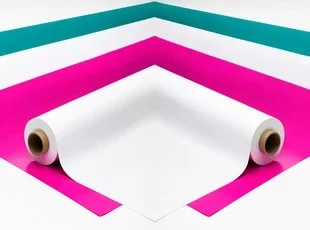
PVC provides a soft, peach-skin-like lamination, available in both satin and matte finishes.

Digital printing employs non-eco-friendly inks made from oil and pigments, delivering vibrant, high-quality color results.
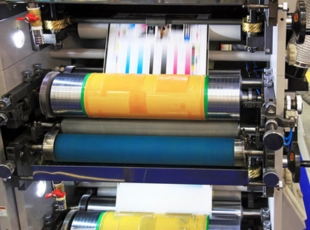
Flexographic printing is a rapid-drying technique that uses ultraviolet light to cure inks, producing a glossy finish.

Rotogravure printing is fully eco-friendly, using soy or vegetable-based inks with pigments to deliver vibrant, high-quality color.
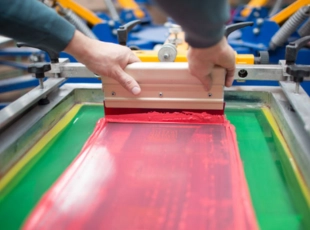
Screen printing utilizes water-based pigments to deliver vibrant, high-quality colors and is completely eco-friendly.
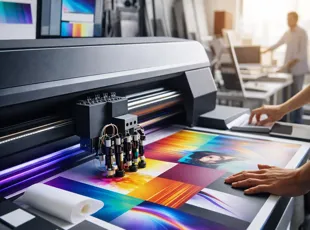
Offset printing is a digital process that eliminates the need for printing plates, transferring designs electronically, and making it a cost-effective choice for short runs.

Full color printing is a process that uses a wide range of colors to produce vibrant, detailed and visually rich designs with high-quality results.

UV printing uses specialized ink formulas to deliver precise, consistent and vibrant color results.

Gravure printing is a high-quality process that uses engraved cylinders to transfer designs onto paper, making it ideal for large-volume production runs.
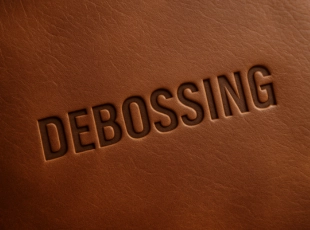
Debossing is a finishing technique that presses a design into the surface, creating a recessed, indented effect that adds depth and a subtle, tactile feel.

Embossing is a finishing technique that raises a design above the surface, creating a three-dimensional effect that enhances texture and visual appeal.

Foil holographic combines embossing with foil stamping to create a three-dimensional design highlighted by a reflective foil finish.

Foil stamping is a premium finishing process where metallic or pigmented foil is applied to a surface using heat and pressure.

Gloss finishing applies a smooth, shiny coating to enhance surface brightness and visual appeal.

Matte finishing is a smooth non-gloss coating that gives a premium soft look.

Spot UV applies a glossy, raised coating to selected areas creating contrast and depth.

Scented coating infuses fragrances into packaging for enhanced sensory appeal.

These bags offer the advantage of unique and customized shapes, creating distinct branding opportunities.

These bags allow for unique custom shapes that enhance brand identity.

Simple and cost effective packaging solution for wide product range.

Built-in spout allows easy controlled dispensing of liquids or granules.

Smooth rounded corners improve safety and handling.

Designed for strong shelf presence and upright display.

Allows packaging to be displayed on hooks or pegs in retail environments.

Removes air to protect against moisture and oxygen.

Pantone inks utilize unbleached kraft paper with no coating.

Gravure inks are applied to kraft paper for high-quality printing.

UV inks are applied to duplex paperboards for vibrant results.

Eco-friendly inks used for high-quality printing.
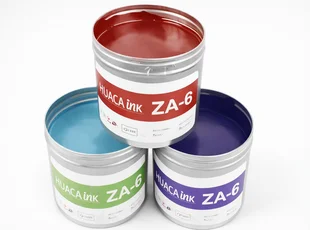
Deliver high-quality printing on coated boards.
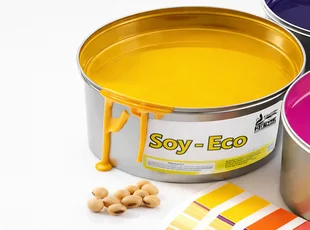
Eco-friendly inks made from natural oils.
Frequently Asked Questions
The seam is held flat against the back panel, thus, it does not affect the balance or stability when the pouch is placed standing on a shelf or counter.
This format works well with both digital and rotogravure printing and allows the brands to select between them depending on the volume of orders, complexity of artworks, and the overall budget size.
Thicker films generally require more material and may increase packaging costs. However, they can provide greater resistance to punctures and tearing when the application requires additional strength. Actual pricing depends on the complete pouch specification and order quantity.
Sample requests assist brands in ensuring that sizing, print quality and material feel are correct before investing in a large production run.
Back Seal Pouches can be used with automated filling equipment, but compatibility depends on the pouch dimensions, material structure, sealing configuration, and specific filling machine. Machine specifications should be reviewed before production.
Yes, resealable zipper closures can be incorporated into suitable pouch configurations. A zipper can be useful for products that customers open and use multiple times.
Yes. Custom Back Seal Pouches can be designed around your required dimensions, artwork, material structure, printing requirements, finishes and available closure options.